Metabolic and Bariatric Surgery

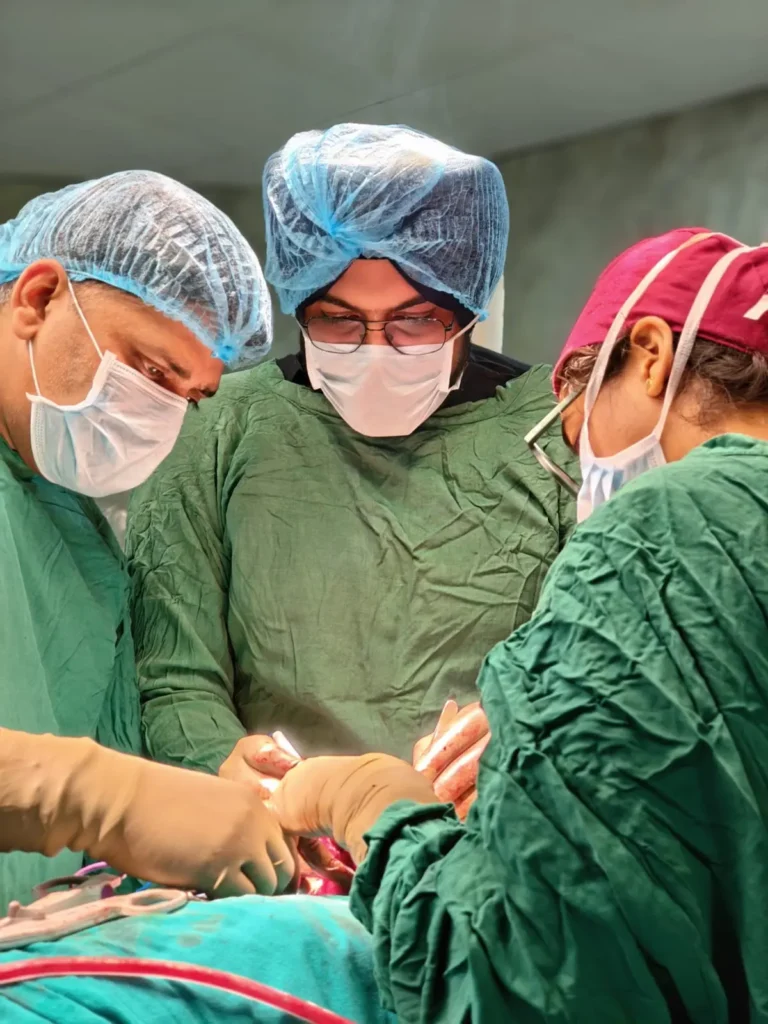
Surgical and endoscopic treatment for obesity and the conditions that come with it, including type 2 diabetes. Dr. Ripudaman Singh Lubana holds a Certificate Course in Endoluminal Bariatric and Metabolic Surgery from IRCAD India, and a University Diploma in Minimal Access Surgery from IRCAD, France.

Procedures and programes

Six routes, ranging from an endoscopic procedure with no incisions to revision surgery after a previous operation. Select one to understand what it involves.

Endoscopic Sleeve Gastroplasty

Endoluminal bariatric procedure, no incisions

Performed entirely through the mouth using an endoscope. The stomach is stitched internally to reduce its capacity, with no cuts on the abdomen and nothing removed. Recovery is quick and it is reversible in principle. Weight loss is more modest than with surgery, which makes it suited to lower BMI patients or those who do not want an operation.

Laparoscopic Sleeve Gastrectomy

Key-hole, the most commonly performed bariatric operation

About three quarters of the stomach is removed, leaving a narrow tube. This reduces capacity and also removes the main area producing the hunger hormone, which is why appetite drops rather than simply being restricted. No rerouting of the intestine, so absorption of nutrients is affected less than with a bypass.

Gastric Bypass

Roux-en-Y bypass and mini gastric bypass

A small stomach pouch is created and joined directly to the small intestine, so food bypasses part of the digestive tract. It produces greater weight loss than the sleeve in most patients and has a stronger effect on type 2 diabetes and on severe reflux. It requires lifelong vitamin supplementation.

Surgery aimed at blood sugar control

The same operations, chosen with a different primary goal. In patients whose diabetes remains uncontrolled despite medication, surgery frequently improves blood sugar substantially, and it begins doing so within days, before significant weight is lost. Remission is possible in some patients but is not guaranteed, and it depends heavily on how long the diabetes has been present.

Revision Bariatric Surgery

Second procedures after a previous operation

For patients who have regained weight after an earlier procedure, who never lost the expected amount, or who have developed complications such as severe reflux after a sleeve. Revision surgery is technically harder than a first operation and needs the previous operative details and imaging before anything is planned.

Nutritional and Lifestyle Programme

Structured follow-up after weight loss surgery

The operation is the shorter part of the treatment. Staged diet progression, protein targets, lifelong vitamin and mineral supplementation, blood monitoring, activity guidance and long-term review. Patients who stay engaged with follow-up keep their results. Those who disengage are the ones who regain.

Obesity is a medical condition, not a failure of willpower

Most people who reach this page have already tried. Diets, gym memberships, medications, months of effort that worked for a while and then unwound. That pattern is not a character flaw. It is how the body defends its weight.

When body weight rises and stays high for a long period, the hormonal signals controlling hunger, fullness and fat storage reset around the higher weight. The body then defends that weight actively, slowing metabolism and increasing hunger whenever weight is lost. This is why regain after dieting is the rule rather than the exception, and it is not a matter of trying harder.

Metabolic and bariatric surgery works on those signals rather than only on stomach size. That is why it also improves type 2 diabetes, blood pressure, fatty liver and sleep apnoea, often before much weight has been lost at all.

It is not a shortcut and not a cosmetic procedure. It is a treatment for a medical condition, and it requires a long-term commitment from you to work.

6

Surgical and non-surgical options
Trained in endoluminal and minimal access surgery

4

Hospitals associated with in the region

Lifelong

Follow-up and nutritional support

Who is eligible

Indian and Asian guidelines use lower thresholds than Western ones, because people of South Asian origin develop diabetes and heart disease at lower body weights and with more abdominal fat than other populations. If you have read Western criteria and concluded you do not qualify, they may not apply to you.
Situation Generally considered when
Obesity with no weight-related illness BMI of 37.5 or above
Obesity with a weight-related condition such as type 2 diabetes, high blood pressure or sleep apnoea BMI of 32.5 or above
Type 2 diabetes that is not controlled despite medication Metabolic surgery may be considered at a BMI of 30 or above
Lower BMI seeking non-surgical weight loss Endoscopic options may be suitable from around a BMI of 27 to 30

These are guideline thresholds, not automatic entitlement or automatic refusal. Eligibility is assessed individually and takes account of your medical conditions, previous attempts at weight loss, fitness for anaesthesia and readiness for the long-term follow-up involved.

What surgery will not do

This section exists because expectations set correctly before surgery are the difference between a patient who succeeds and one who feels let down.

It will not do the work for you.

Surgery makes it far easier to eat less and feel full sooner. It does not choose your food, and high-calorie liquids and snacks can defeat any operation.

It does not guarantee a target weight.

Results vary considerably between individuals, and no honest surgeon will promise you a specific number.

Weight regain is possible.

Some regain after the initial period is normal. Significant regain usually follows disengagement from follow-up and a return to old eating patterns.

Diabetes remission is not guaranteed.

Improvement is common. Complete remission depends on how long you have had diabetes and how much insulin your body still produces.

Supplements are lifelong, not temporary.

Particularly after a bypass. Stopping them causes deficiencies that appear quietly over years.

It is not cosmetic surgery.

Significant weight loss often leaves loose skin, and addressing that is a separate procedure and a separate decision.

Where Dr. Ripudaman singh Lubana consults and operates

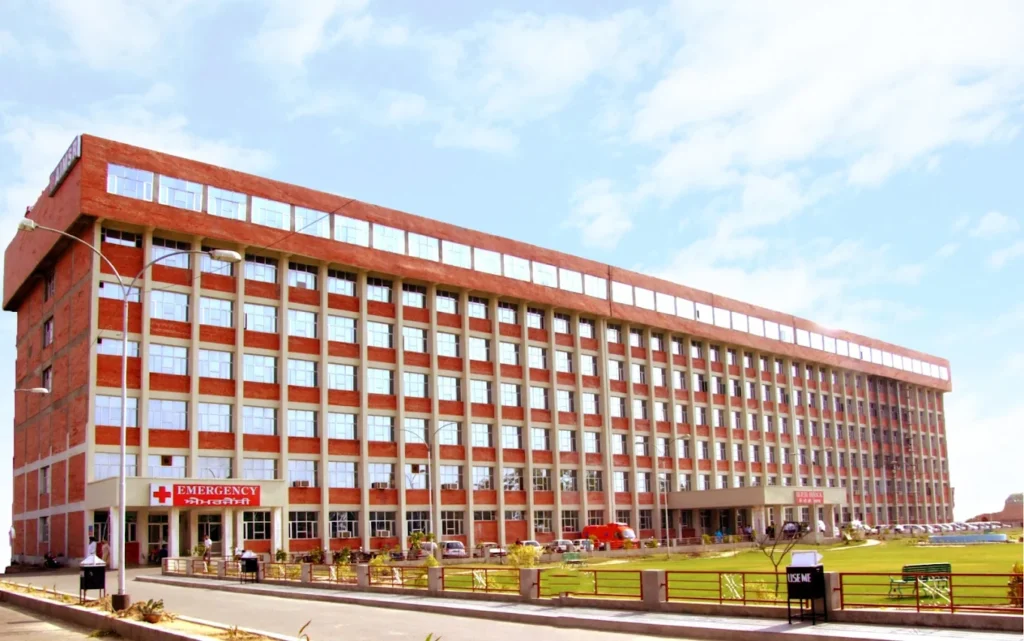
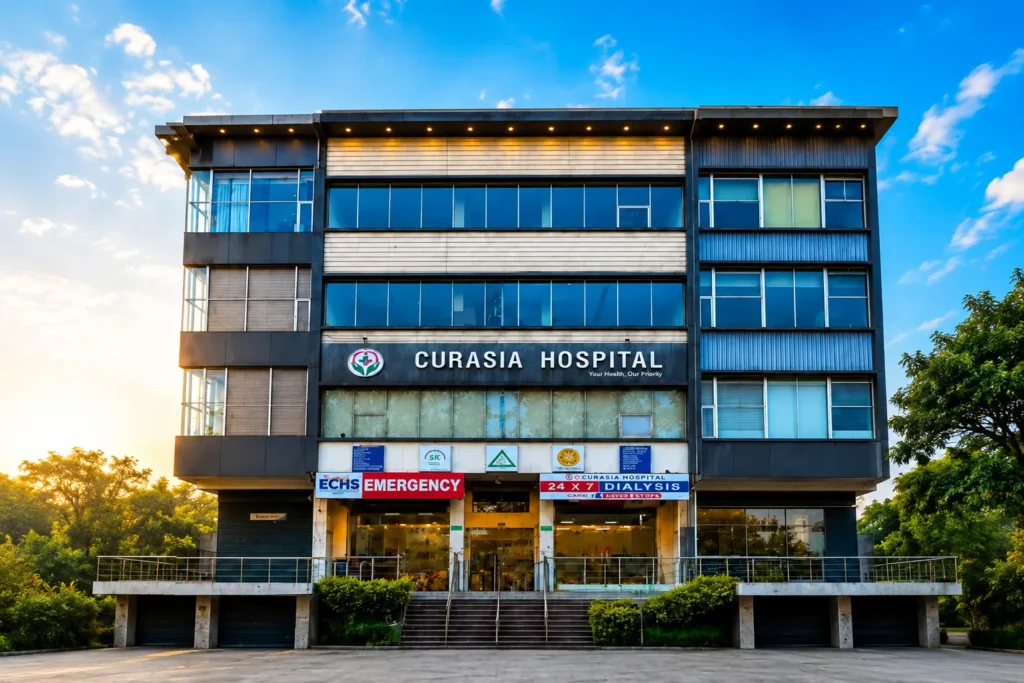
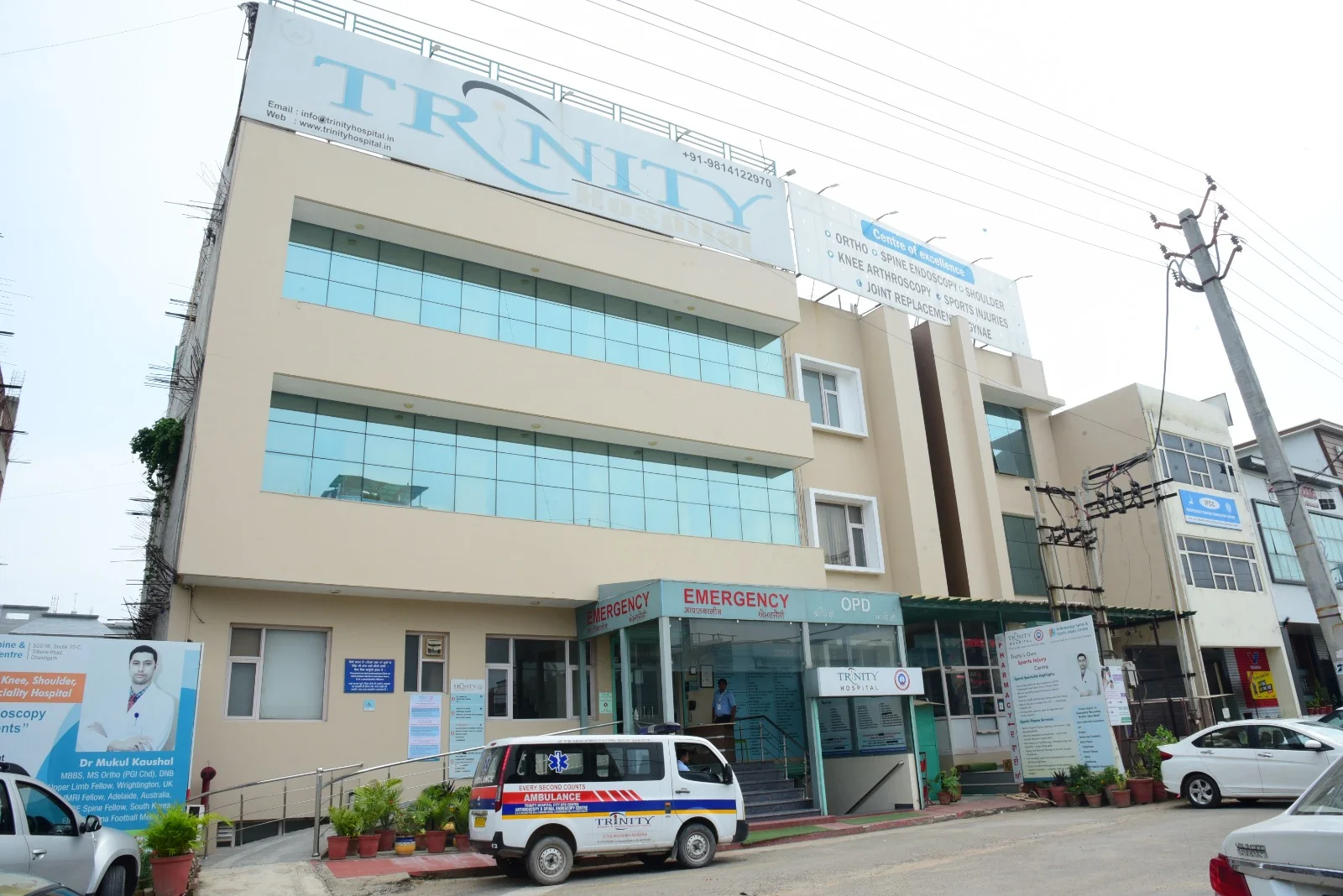
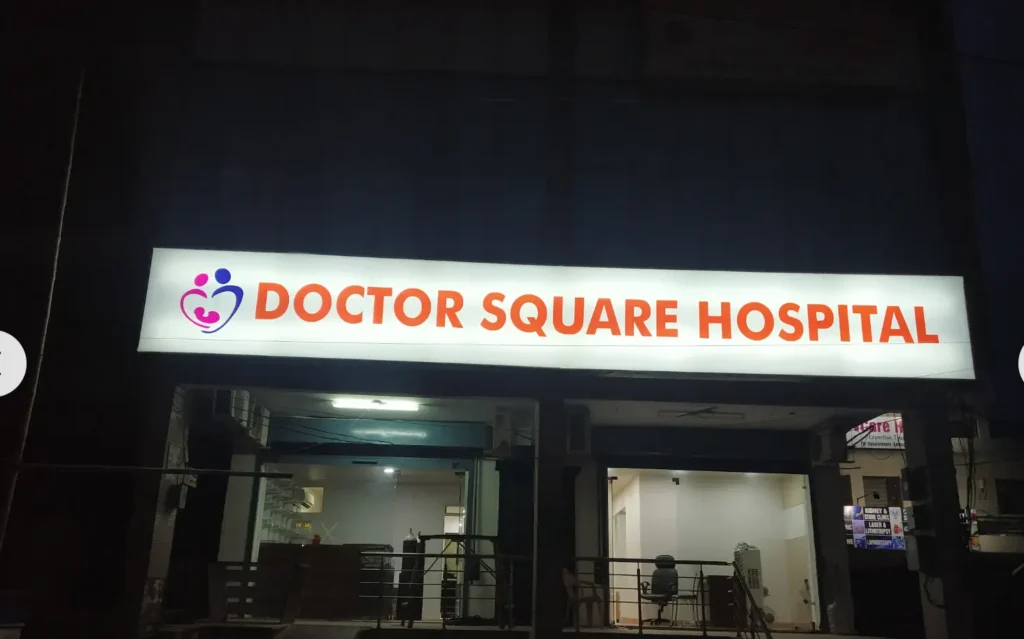
Dr. Ripudaman Singh Lubana consults at hospitals in and around Zirakpur and Mohri, allowing patients from Zirakpur, Mohali, Chandigarh, Ambala and nearby areas to access his surgical practice.

Depending on your location and the type of consultation you need, you can contact the clinic team to confirm the available hospital and appointment timing.

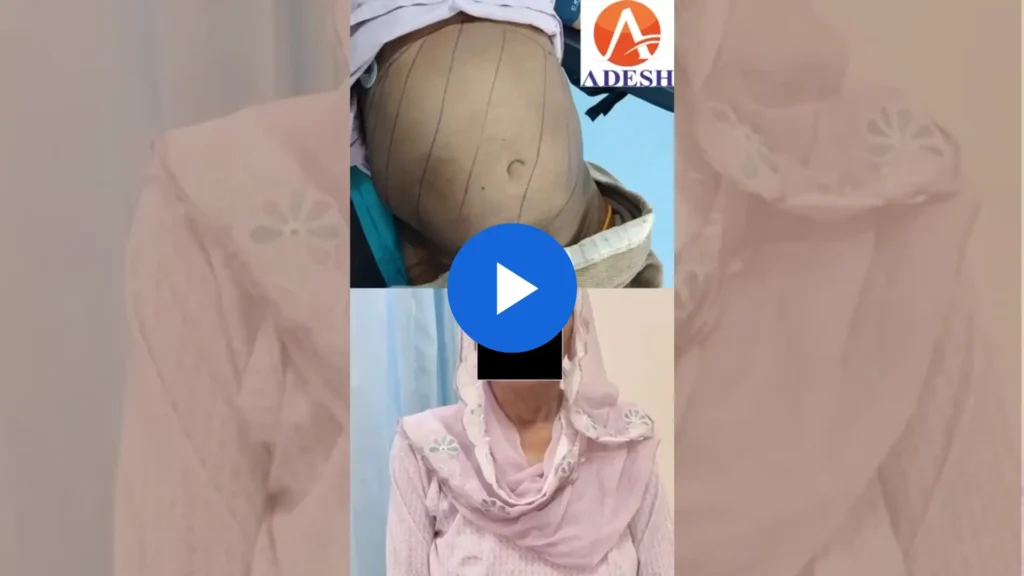
What our patients say about us

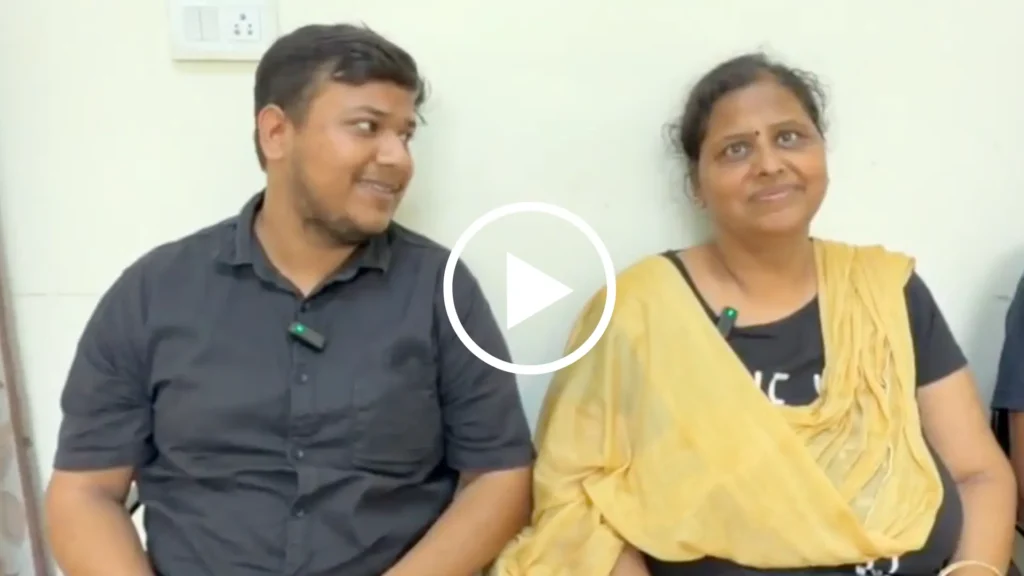
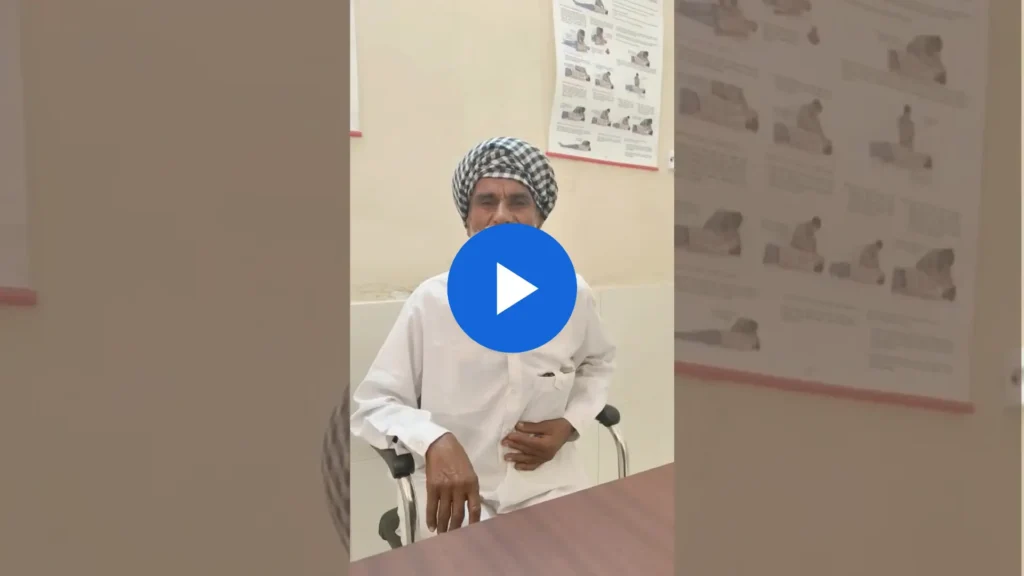
Patients from Ambala, Chandigarh, Mohali & Zirakpur in their own words.