

- Services
Cancer and Onco Surgery
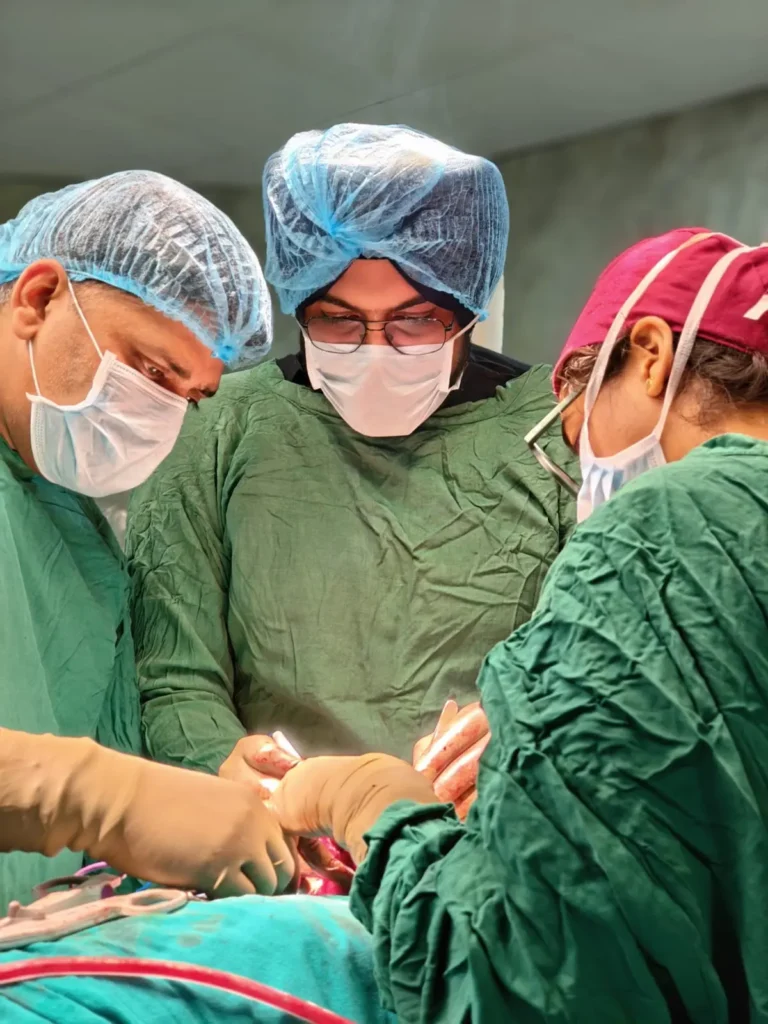
Surgical treatment of breast, colorectal, pancreatic and gynaecologic cancers. Led by Dr. Ripudaman Singh Lubana, who holds a Fellowship in Surgical Oncology from Tata Memorial Centre and HBCHRC, Punjab, and has performed over 3500 cancer surgeries.
Cancer surgeries performed
Select a cancer type to understand the surgical options, what the procedure involves, and what recovery looks like.
Breast Cancer Surgery
Breast conservation surgery and radical mastectomy
Where the tumour size and position allow, breast conservation removes the cancer along with a margin of surrounding tissue while keeping the breast. Where the disease is more extensive, a mastectomy is the safer choice. Axillary lymph nodes are assessed in both. Which one is right depends on the tumour, not on preference alone, and it is explained fully before any decision.
Colorectal Cancer Surgery
Hemicolectomy, colectomy, anterior resection, abdominoperineal resection
Cancer of the colon or rectum is treated by removing the affected segment along with its lymph node supply, then rejoining the bowel. Many of these are done laparoscopically, which means a faster recovery. In low rectal cancers, the priority is clearing the disease while preserving normal bowel function wherever the tumour position allows it.
Pancreatic Cancer Surgery
Whipple procedure, pancreaticoduodenectomy
The Whipple procedure is among the most demanding operations in abdominal surgery. It removes the head of the pancreas along with parts of the duodenum, bile duct and sometimes the stomach, then reconstructs the digestive connections. It is performed only in selected patients after careful staging, and it needs a surgeon who does this work regularly.
Gynaecologic Cancer Surgery
Uterine, ovarian and cervical cancer
Surgery for cancers of the uterus, ovaries and cervix, including staging procedures that establish how far the disease has spread. The extent of surgery depends on the stage at diagnosis, and in some ovarian cancers surgery follows chemotherapy rather than preceding it. Over 200 laparoscopic gynaecologic surgeries performed.
- When to consult
If a report has come back suspicious, the next step is an opinion, not panic
A lump, an unexpected line on a scan report, or a biopsy result you do not fully understand. This is where most cancer journeys begin, and it is a frightening place to be. Two things are worth knowing at this stage.
First, not every lump or abnormal finding is cancer. A significant number of patients who come in with a suspicious report leave with reassurance rather than a diagnosis. Second, where it is cancer, the single factor that most influences the outcome is how early proper treatment begins. Weeks spent waiting or seeking scattered opinions are weeks that matter.
Surgical oncology is the branch that removes cancer from the body, and decides how much needs to be removed for the disease to be cleared while preserving as much normal function as possible. It usually works alongside chemotherapy, radiotherapy or hormonal treatment, and the sequence differs from patient to patient.
Dr. Ripudaman Singh Lubana completed a Fellowship in Surgical Oncology at Tata Memorial Centre and HBCHRC, Punjab, India’s most recognised centres for cancer care, and has performed more than 3500 cancer surgeries across breast, gastrointestinal, colorectal, gynaecologic and soft tissue disease.
3500+
Tata Memorial
4
Hospitals associated with in the region
Same week
Signs that need an assessment
None of these confirm cancer. All of them are worth having checked, particularly if they have persisted for more than two or three weeks:

A lump anywhere in the breast, neck, abdomen or under the skin that is growing or does not go away
Change in the shape of the breast, dimpling of the skin, or discharge from the nipple
Blood in the stool, or a lasting change in bowel habit
Weight loss you cannot explain by diet or activity
Bleeding between periods, after intercourse, or after menopause
Difficulty swallowing that keeps getting worse
Persistent abdominal pain with jaundice or loss of appetite
A biopsy or scan report that mentions a suspicious or indeterminate growth
A symptom is not a diagnosis. These findings have many causes, most of them harmless. The purpose of an assessment is to establish what it actually is, so that you either stop worrying or start treatment early.
- Book consultation
- Hospitals
Where Dr. Ripudaman singh Lubana consults and operates
Dr. Ripudaman Singh Lubana consults at hospitals in and around Zirakpur and Mohri, allowing patients from Zirakpur, Mohali, Chandigarh, Ambala and nearby areas to access his surgical practice.
Depending on your location and the type of consultation you need, you can contact the clinic team to confirm the available hospital and appointment timing.

- Adesh Medical College Hospital Mohri Ambala Cantt
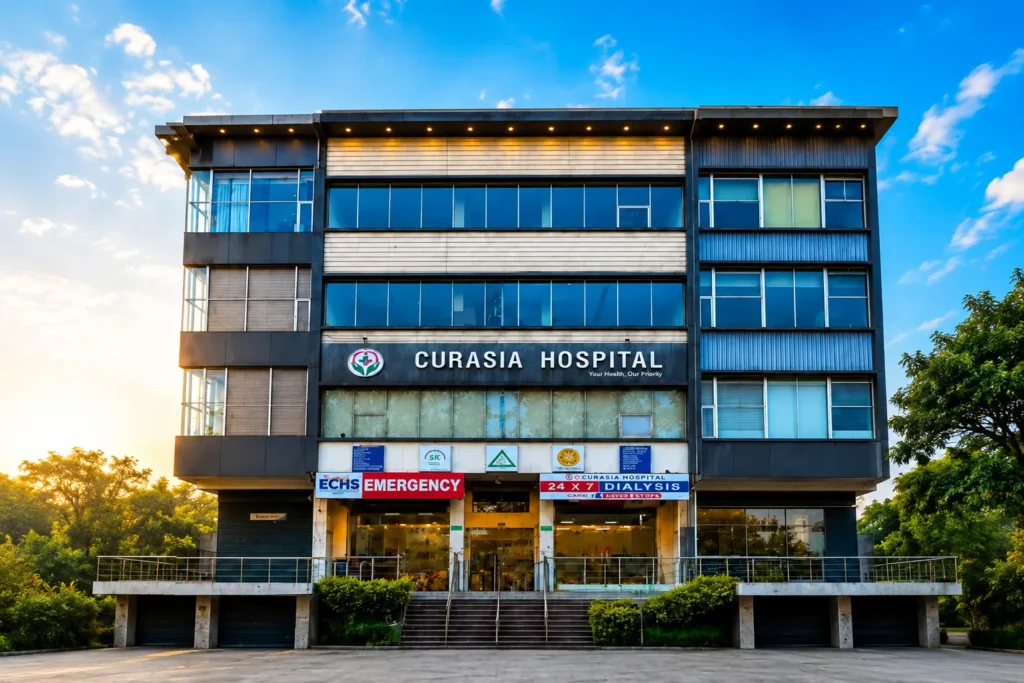
- Curasia Hospital – Dhakoli, SAS Nagar
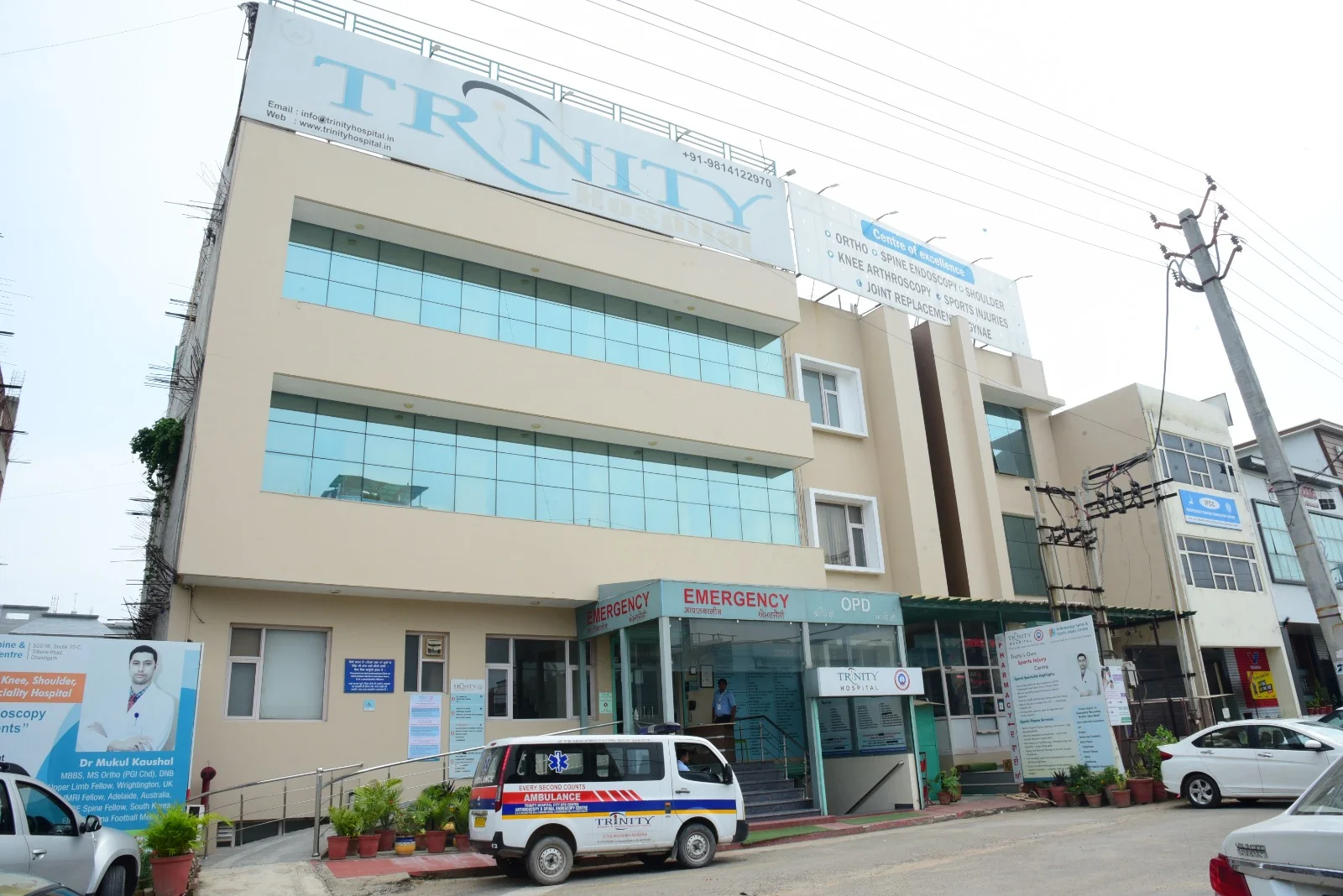
- Trinity Hospital – Zirakpur, Distt Mohali
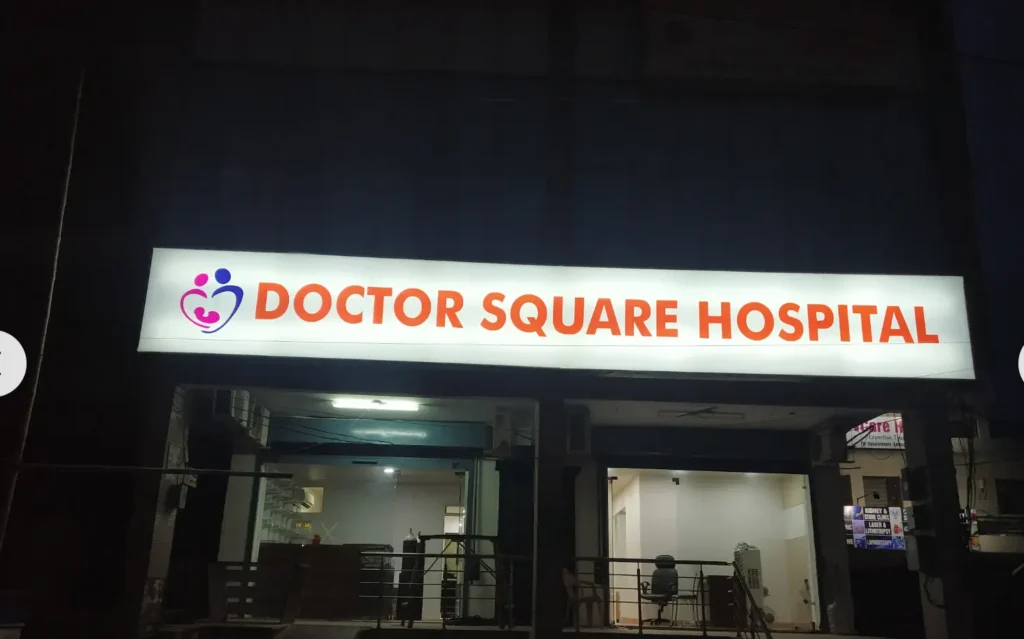
- Doctor Square Hospital – VIP Road, Zirakpur, Distt SAS Nagar, Mohali
- Testimonials
What our patients say about us
Patients from Ambala, Chandigarh, Mohali & Zirakpur in their own words.
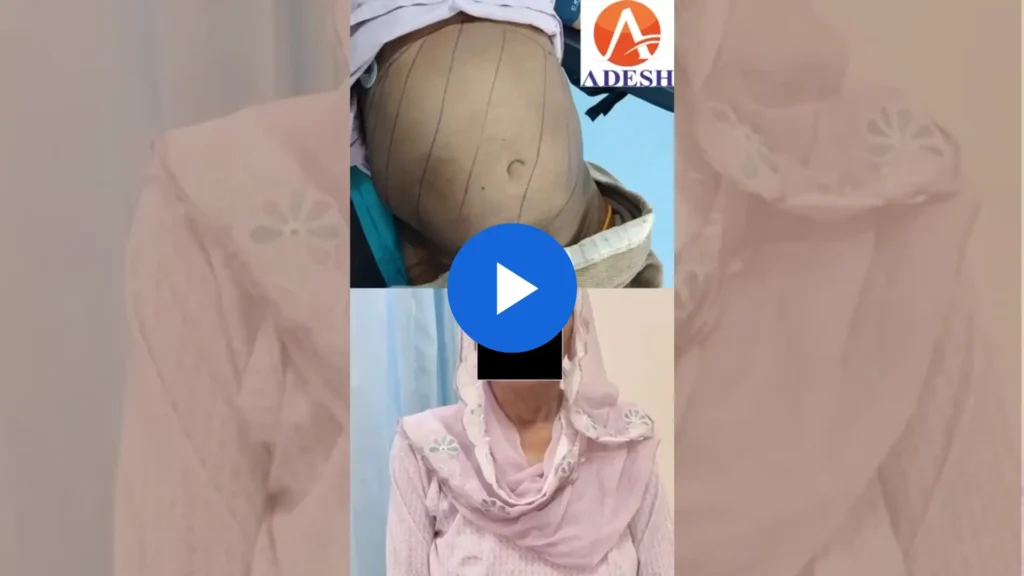
Posted on GoogleTrustindex verifies that the original source of the review is Google. Dr Ripudaman Singh is one of the best Laparoscopic surgeon in the shahbad markanda Adesh Hospital Ambala very humble and genuine with excellent clinical skills.he treat his patient with utmost care,explain in detail. I highly recommend him for any Harnia,Apendix surgery and related consultation. Warm full thanks Dr. Saab. Regards Bhupinder singhPosted on GoogleTrustindex verifies that the original source of the review is Google. I had my appendicitis surgery done by Dr. Ripudaman, and I am extremely grateful for the exceptional care I received. Within just 8 hours of the surgery, I was able to walk without any pain, which speaks volumes about his surgical expertise and precision. What impressed me most was not just the successful surgery, but also the post-surgery care and follow-ups. Dr. Ripudaman is very approachable and patient — he answers every single question with great detail and ensures you clearly understand the process and recovery steps. His calm demeanor and ability to explain everything in simple terms gave me complete confidence and peace of mind during recovery. Overall, I had a smooth and painless experience under his care, and I would highly recommend Dr. Ripudaman to anyone in need of surgical expertise. He truly combines skill with compassion, which makes all the difference.Posted on GoogleTrustindex verifies that the original source of the review is Google. Dr Ripu Daman sir being surgeon and onco surgeon postive result 100 percent result orientedPosted on GoogleTrustindex verifies that the original source of the review is Google. Dr Ripudaman Singh is one of the best Laparoscopic surgeon in the city,very humble and genuine with excellent clinical skills.he treat his patient with utmost care,explain in detail the procedure and keep the patient and their attendant informed. I highly recommend him for any surgery and related consultation.Posted on GoogleTrustindex verifies that the original source of the review is Google. Best surgeon in the cityPosted on GoogleTrustindex verifies that the original source of the review is Google. Great surgeon .....highly recommendedPosted on GoogleTrustindex verifies that the original source of the review is Google. Good experience!!Load more
Frequently asked questions
A lump that has been present for more than two to three weeks, or one that is growing, should be examined rather than watched. Most turn out to be harmless. The examination and, where needed, an ultrasound or biopsy is a short process, and it either ends the worry or catches something at a stage where treatment works best.
No. Breast conservation surgery, which removes the tumour and keeps the breast, is possible in many patients depending on the size and position of the tumour relative to the breast. In some cases chemotherapy given before surgery shrinks the tumour enough to make conservation possible where it initially was not. Where a mastectomy is genuinely the safer option, the reason is explained to you clearly.
For many colorectal and gynaecologic cancers, yes, and the oncological outcome is comparable to open surgery when performed by a trained surgeon. It brings less pain, a shorter stay and an earlier start to chemotherapy when that is required. For some tumours, open surgery gives better access and control, and that is then the right choice.
Not always, and rushing into surgery without complete staging can be a mistake. Staging tells us the extent of the disease, and in some cancers chemotherapy or radiotherapy is deliberately given first. What should happen quickly is the assessment and the plan, not necessarily the operation.
Yes, and it is a reasonable thing to do before major cancer surgery. Bring your scans, biopsy report, slides and blocks if available, and the plan you have been given. You will get an honest view, including when the existing plan is sound and you should proceed with it.
All imaging including the films or CDs rather than only the reports, the biopsy report with slides and blocks if a biopsy has been done, recent blood tests, a list of your current medicines, and details of any other conditions such as diabetes or heart disease. If a family member has had cancer, mention that too.
No. It depends on the final pathology report, which gives the true stage, the tumour characteristics and whether the margins were clear. Some early cancers need no further treatment after surgery. Others need chemotherapy, radiotherapy or hormonal treatment, and that decision is made once the pathology is available.
Dr. Lubana is a consultant surgeon at Doctor Square Hospital on VIP Road Zirakpur, Trinity Hospital in Zirakpur, Curasia Hospital in Dhakoli, and Adesh Medical College Hospital in Mohri, Ambala Cantt. Major cancer surgery is scheduled at the centre with the critical care support that the specific procedure needs, and this is discussed with you in advance.
Bring your reports. Get a clear plan.
Whether you are waiting on a biopsy, holding a diagnosis you do not understand, or looking for a second opinion on a plan you already have, the first step is the same.