

Book your appointment online and optionally upload your medical reports in advance for a more informed consultation.
Leading
Gastro, Cancer & Minimal Access Surgeon of the Region:
Dr. Ripudaman Singh Lubana
With a commitment to excellence and cutting-edge care, Dr. Ripudaman Singh Lubana brings expertise across four frontiers of surgery, delivering advanced treatment with precision, compassion, and the best possible outcomes.




Find Out What Treatment You May Need
Select Your Language / ਆਪਣੀ ਭਾਸ਼ਾ ਚੁਣੋ
ਕਿਰਪਾ ਕਰਕੇ ਆਪਣੀ ਭਾਸ਼ਾ ਚੁਣੋ ਤਾਂ ਜੋ ਅਸੀਂ ਸਹੀ ਇਲਾਜ ਦੀ ਸੇਧ ਦੇ ਸਕੀਏ।
Please select your preferred language to begin your surgical assessment.
Where are you experiencing discomfort?
Choose from the clinical specialties below to view specific symptoms.
Digestive & Stomach
Gallstones, hernia, reflux, pain
Laparoscopic Gynaecology
Ovarian cysts, fibroids, bleeding
Piles, Fissure & Fistula
Painless German day-care laser
Weight Loss & Obesity
Severe weight, diabetes remission
Lumps & Cancer Concerns
Biopsy, tumor check, second opinion
What specific symptom are you feeling?
Tap the exact complaint that matches your current health condition.
How long have you had this concern?
Helps determine if medical therapy or surgical intervention is best.
Recent (Under 3 weeks)
Looking for root-cause diagnosis & medical therapy first.
Chronic or Recurring
Persistent issue returning despite routine medications.
Surgery Already Advised
Seeking Dr. Lubana's second opinion & minimally invasive alternatives.
Laparoscopic Procedure
Clinical Assessment & Guidance by Dr. Ripudaman Singh Lubana
Can Medicines Cure It, or is Surgery Required?
Medical guidance details.
Dr. Lubana's Surgical Technique & Advantages
Technique details.
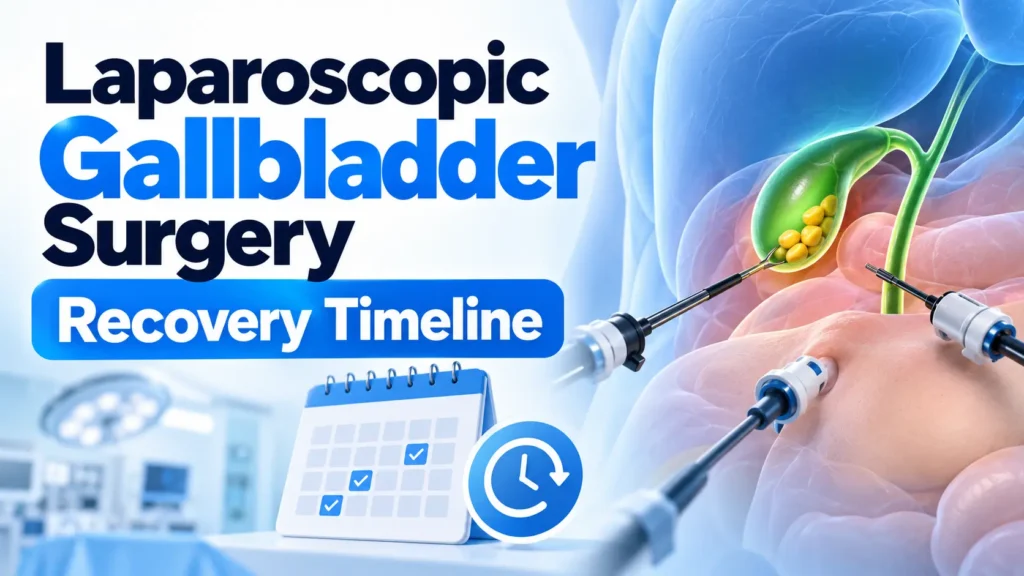
Hospital Stay & Recovery Timeline
Recovery details.
Medical Notice: This navigator provides educational guidance. Dr. Ripudaman Singh Lubana conducts thorough evaluations; surgery is recommended strictly when medical therapy is insufficient.
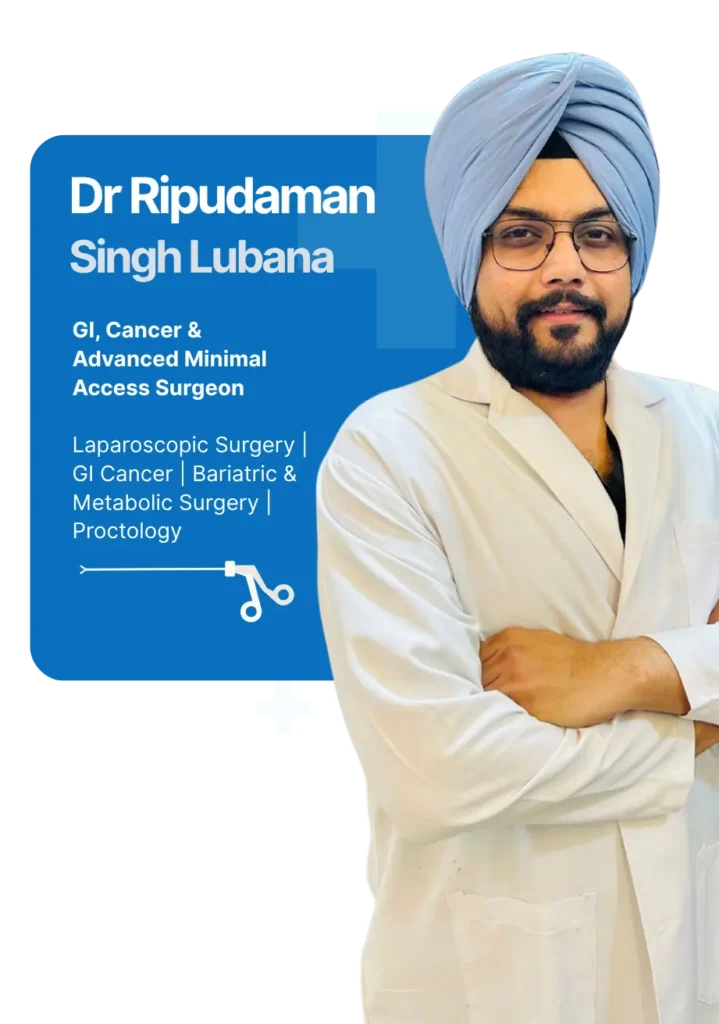
Dr. Ripudaman Singh Lubana
MBBS, MS, FSO, FMAS, FIAGES, CCMP
A Surgeon Trained for Both Common and Complex Surgical Problems – Dr. Ripudaman Singh Lubana treats patients with problems ranging from gallbladder stones and hernia to cancer, obesity and complex gastrointestinal conditions. His practice focuses on laparoscopic and gastrointestinal surgery, surgical oncology, bariatric and metabolic surgery, and minimally invasive proctology. Over the years, he has pursued specialised training in key areas of surgery, allowing him to manage a broader range of surgical conditions and complex cases. His specialised surgical training includes:
- Fellowship in Surgical Oncology from Tata Memorial Centre / HBCHRC, Punjab
- Fellowship in Minimal Invasive Proctology from IMMAST, Mumbai
- University Diploma in Minimal Access Surgery from IRCAD, France
- Certificate Course in Endoluminal Bariatric & Metabolic Surgery from IRCAD India
SURGICAL FELLOWSHIPS




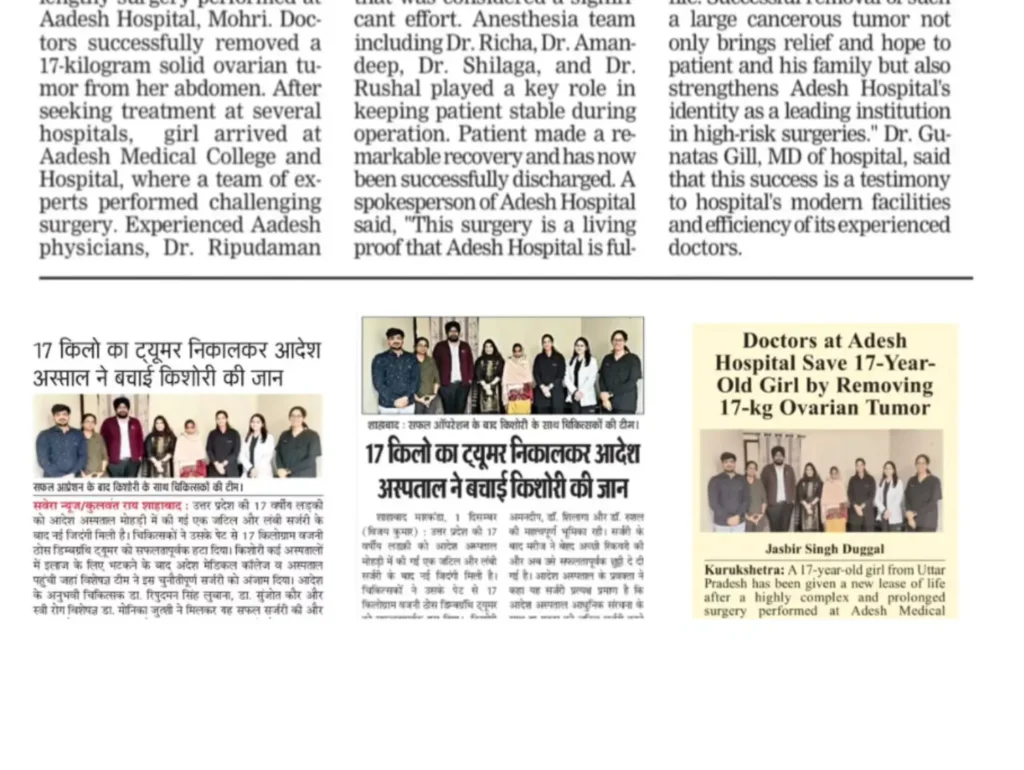
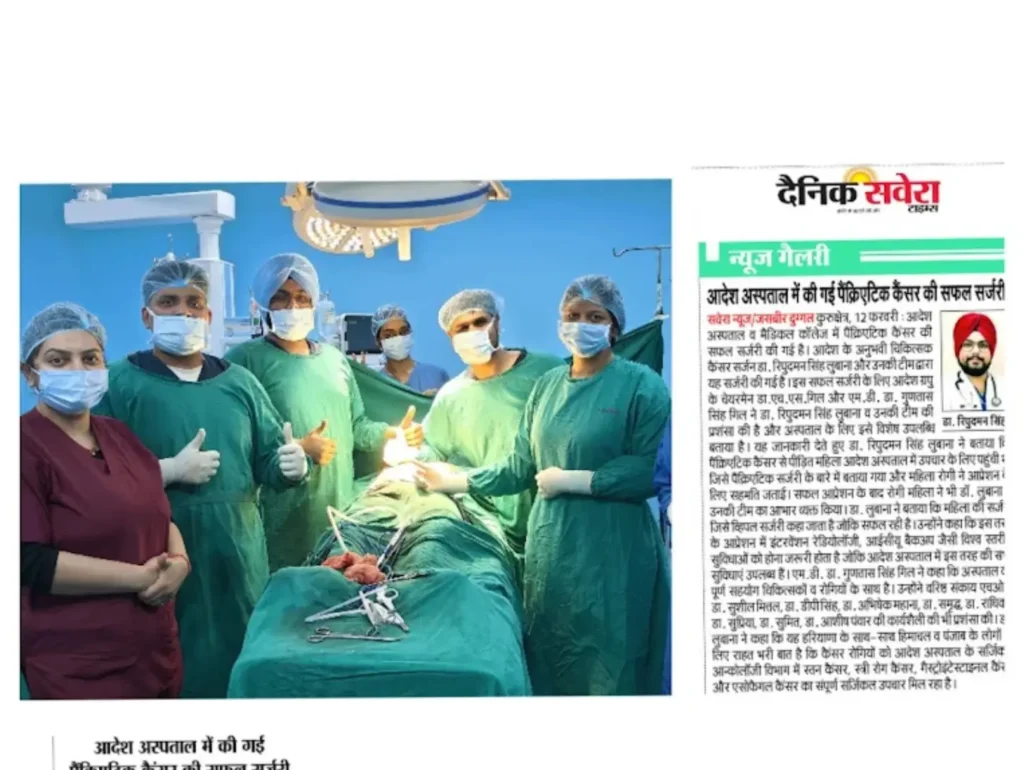
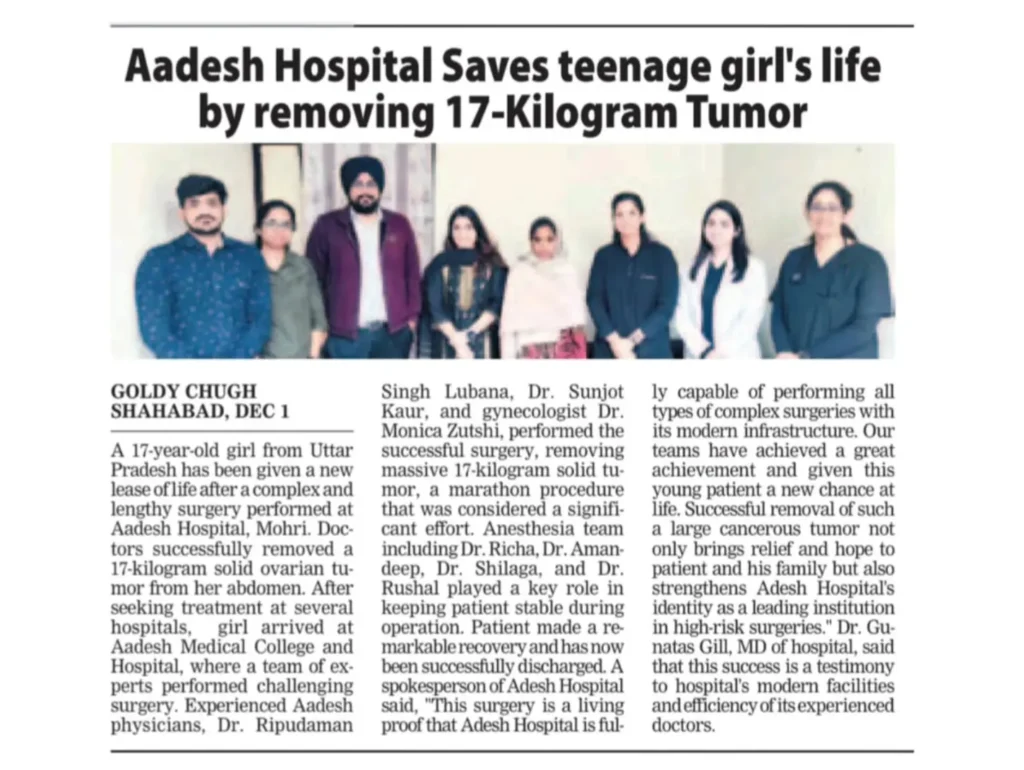
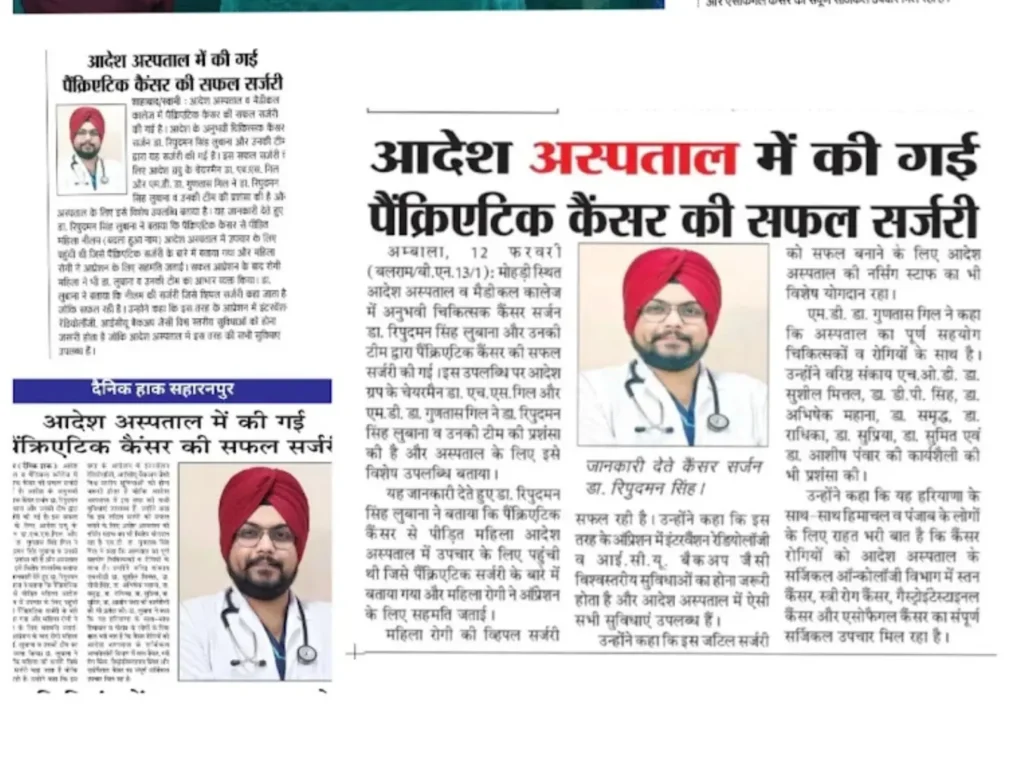
Dr ripudaman singh in the media
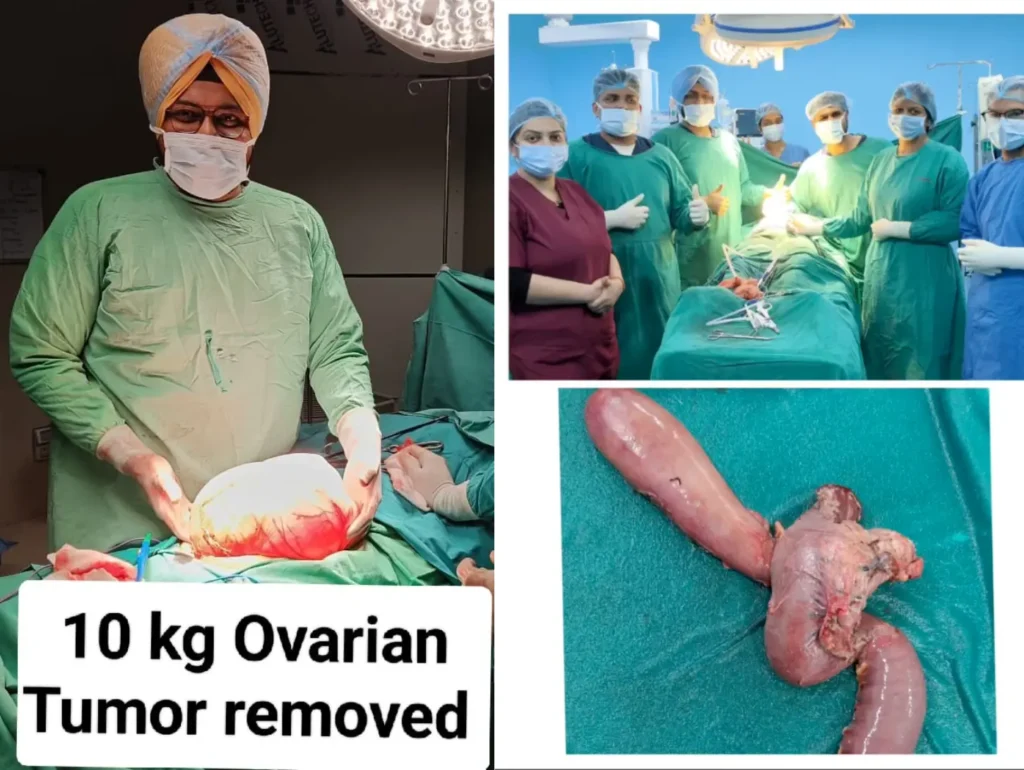
Some surgical cases are difficult not because of one single step, but because of the size, location or complexity of the problem. Dr. Lubana has been part of surgical teams involved in complex cases that have received coverage in regional media, including the removal of a large ovarian tumour at Adesh Medical College & Hospital.

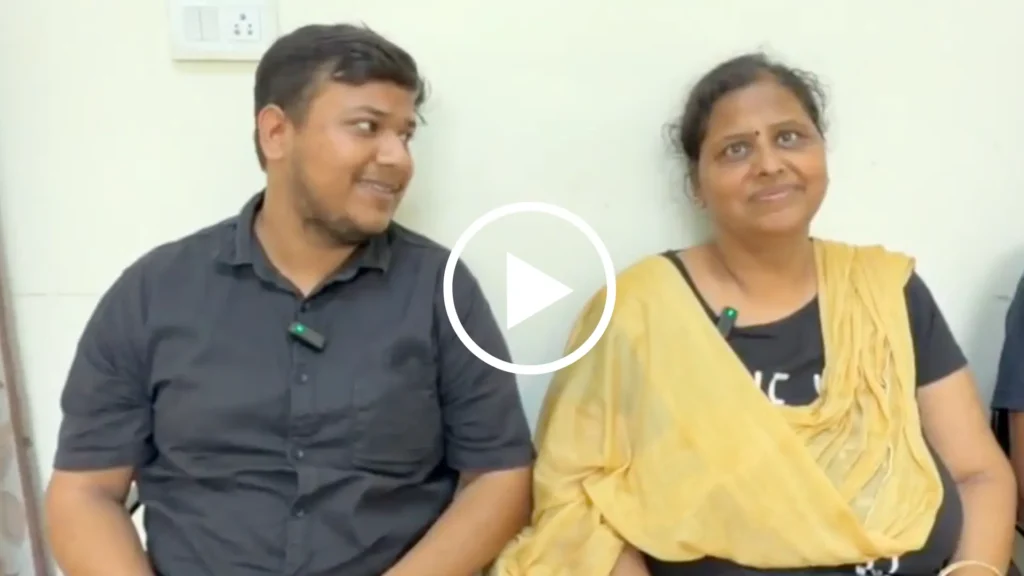
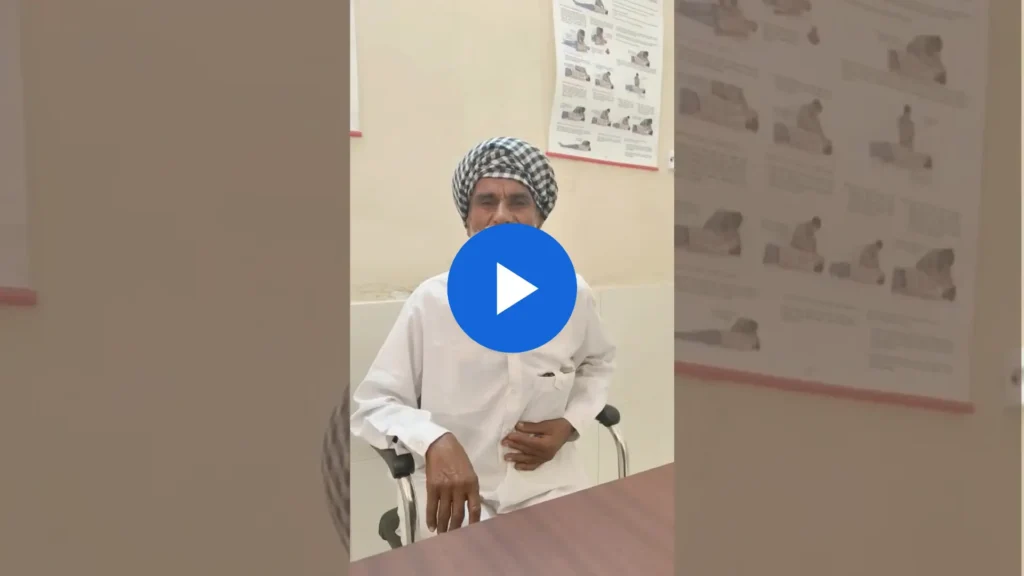
- Awareness videos with Dr Lubana
- milestones
Recognized Excellence in Minimal access surgeries

3000+
Laparoscopic Gall Bladder Surgeries

3500+
Cancer Surgeries of Breast / Gastro / ColoRectal / GynaeOnco & Soft tissue Sarcomas

200+
Succesful Laparoscopic Gynaecologic Surgeries

500+
Laser Proctology Surgeries of Piles / Fissure / Fistula & Pilonidal Sinus
- Testimonials
What our patients say about us
Patients from Ambala, Chandigarh, Mohali & Zirakpur in their own words.
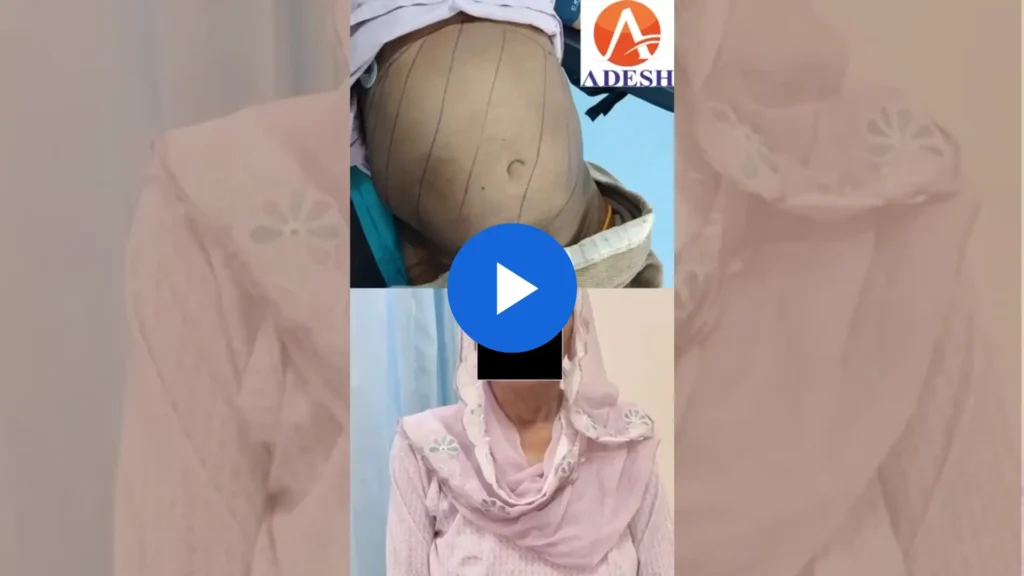
Posted on GoogleTrustindex verifies that the original source of the review is Google. Dr Ripudaman Singh is one of the best Laparoscopic surgeon in the shahbad markanda Adesh Hospital Ambala very humble and genuine with excellent clinical skills.he treat his patient with utmost care,explain in detail. I highly recommend him for any Harnia,Apendix surgery and related consultation. Warm full thanks Dr. Saab. Regards Bhupinder singhPosted on GoogleTrustindex verifies that the original source of the review is Google. I had my appendicitis surgery done by Dr. Ripudaman, and I am extremely grateful for the exceptional care I received. Within just 8 hours of the surgery, I was able to walk without any pain, which speaks volumes about his surgical expertise and precision. What impressed me most was not just the successful surgery, but also the post-surgery care and follow-ups. Dr. Ripudaman is very approachable and patient — he answers every single question with great detail and ensures you clearly understand the process and recovery steps. His calm demeanor and ability to explain everything in simple terms gave me complete confidence and peace of mind during recovery. Overall, I had a smooth and painless experience under his care, and I would highly recommend Dr. Ripudaman to anyone in need of surgical expertise. He truly combines skill with compassion, which makes all the difference.Posted on GoogleTrustindex verifies that the original source of the review is Google. Dr Ripu Daman sir being surgeon and onco surgeon postive result 100 percent result orientedPosted on GoogleTrustindex verifies that the original source of the review is Google. Dr Ripudaman Singh is one of the best Laparoscopic surgeon in the city,very humble and genuine with excellent clinical skills.he treat his patient with utmost care,explain in detail the procedure and keep the patient and their attendant informed. I highly recommend him for any surgery and related consultation.Posted on GoogleTrustindex verifies that the original source of the review is Google. Best surgeon in the cityPosted on GoogleTrustindex verifies that the original source of the review is Google. Great surgeon .....highly recommendedPosted on GoogleTrustindex verifies that the original source of the review is Google. Good experience!!Load more
- From the Blog
Latest Posts & Updates


- Hospitals
Where Dr. Ripudaman singh Lubana consults and operates
Dr. Ripudaman Singh Lubana consults at hospitals in and around Zirakpur and Mohri, allowing patients from Zirakpur, Mohali, Chandigarh, Ambala and nearby areas to access his surgical practice.
Depending on your location and the type of consultation you need, you can contact the clinic team to confirm the available hospital and appointment timing.
1. Adesh Medical College Hospital
Mohri Ambala Cantt
2. Curasia Hospital
Dhakoli, SAS Nagar
3. Doctor Square Hospital
VIP Road, Zirakpur, Distt SAS Nagar, Mohali
4. Trinity Hospital
Zirakpur, District Mohali
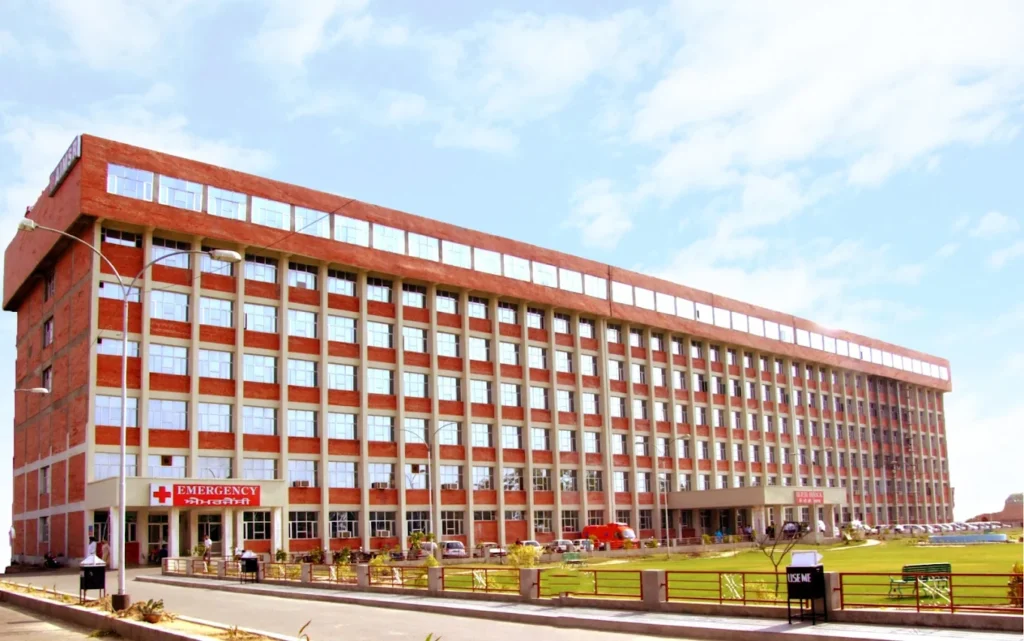
- Adesh Medical College Hospital Mohri Ambala Cantt
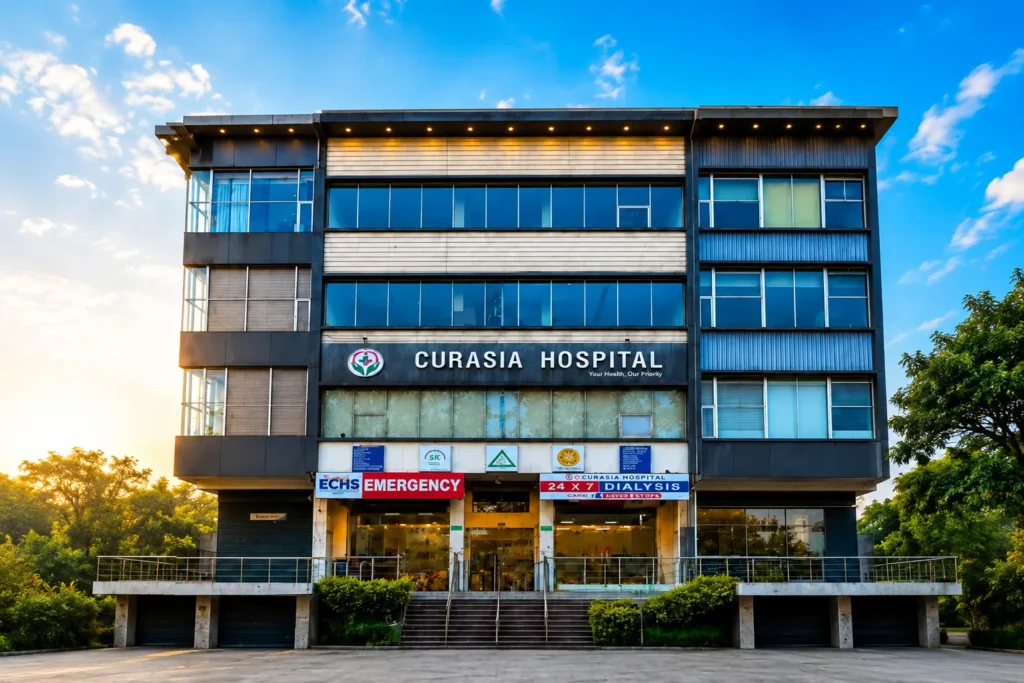
- Curasia Hospital – Dhakoli, SAS Nagar
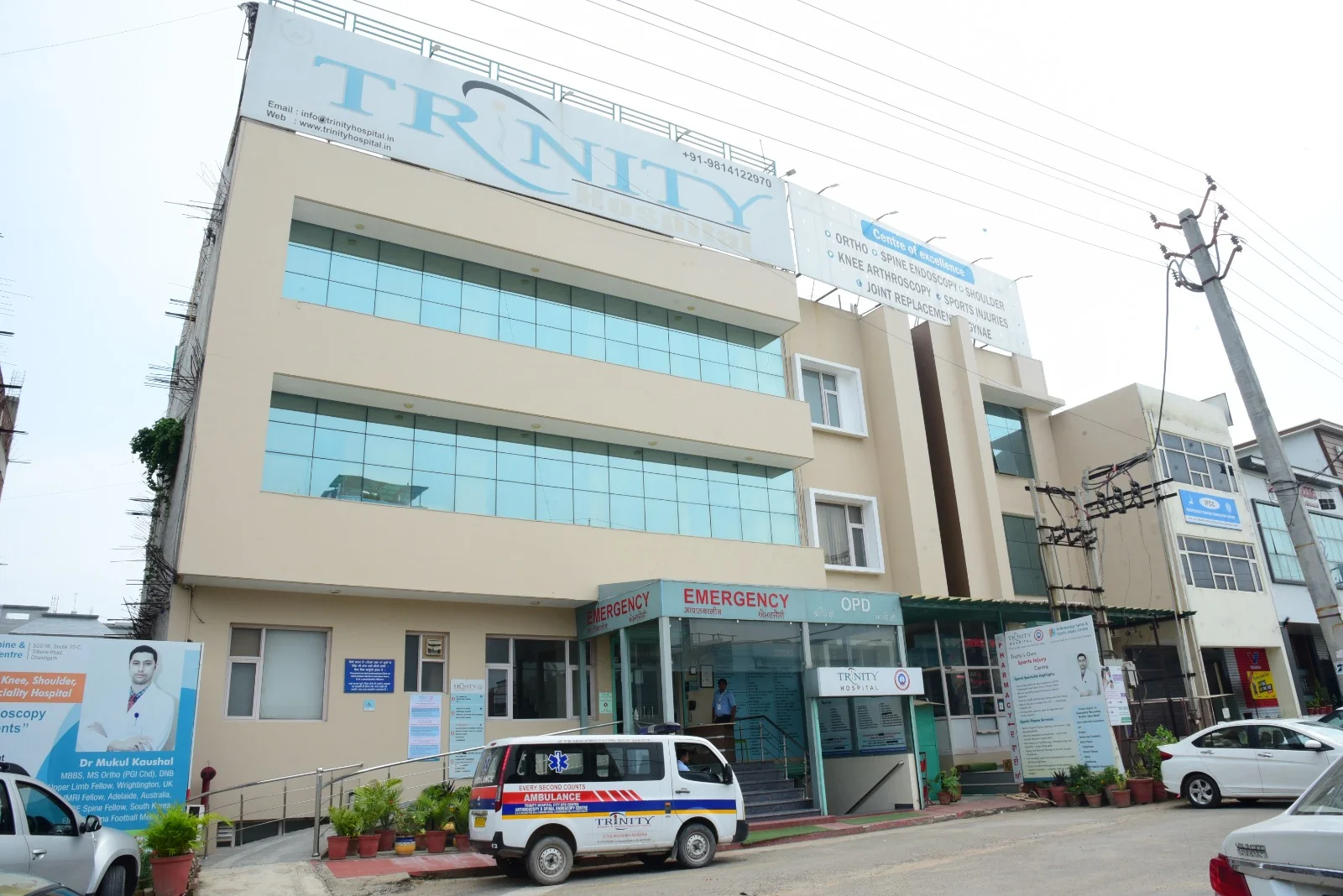
- Trinity Hospital – Zirakpur, Distt Mohali
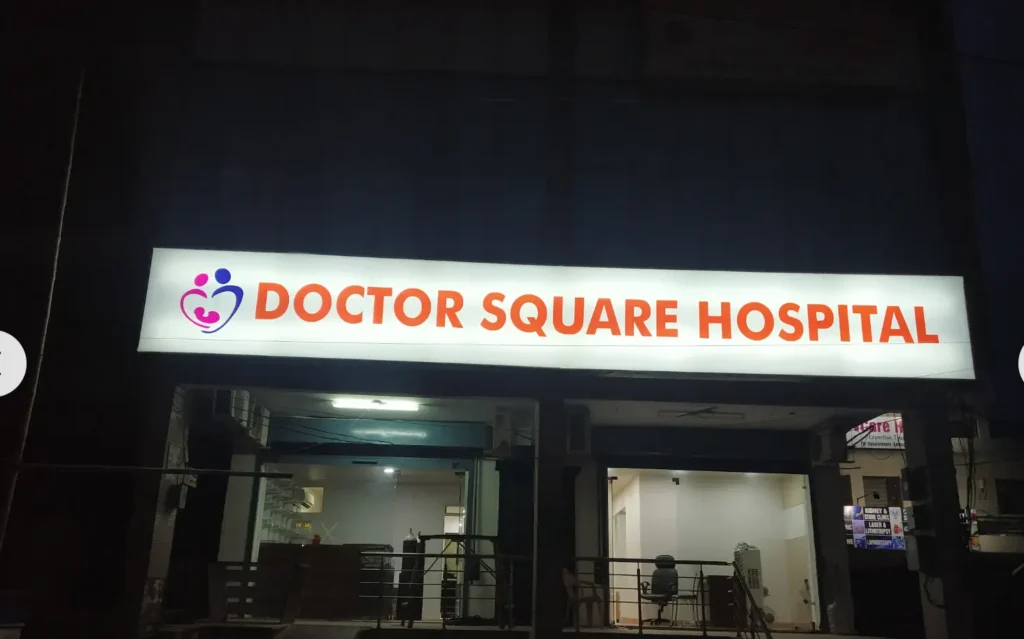
- Doctor Square Hospital – VIP Road, Zirakpur, Distt SAS Nagar, Mohali
Patient Guide
Laparoscopy and Minimal Access Surgery.
The questions patients ask most often before and after key-hole surgery, answered in plain language.
Understanding the procedure
Laparoscopic surgery, often called key-hole surgery or minimally invasive surgery, is performed through small incisions of roughly 0.5 to 1 cm instead of one large cut.
A laparoscope, which is a thin tube carrying a high-definition camera and light, is inserted through one incision and projects magnified images of the internal organs onto a monitor. Specialised instruments are passed through the other ports to carry out the procedure with precision.
Because the incisions are much smaller and tissue trauma is minimal, laparoscopic surgery offers:
- Significantly less pain after surgery and a reduced need for painkillers
- Shorter hospital stays, often day-care or discharge within 24 hours
- Faster recovery and a quicker return to routine daily activities
- Minimal blood loss and a lower risk of wound infection
- Small scars that are cosmetically favourable and fade over time
Laparoscopic techniques are used widely across gastrointestinal, oncology and general surgery, including:
- Gallbladder removal, or cholecystectomy, for gallstones
- Hernia repair, including inguinal, umbilical, incisional and hiatal hernias
- Appendix removal, or appendectomy
- Colorectal and gastric cancer resections
- Bariatric and metabolic weight-loss surgery
- Diagnostic evaluation for unexplained abdominal pain, and cancer staging
Preparation and the procedure
Almost all laparoscopic procedures are performed under general anaesthesia. This ensures the patient is fully asleep and pain-free, and that the abdominal muscles are completely relaxed for safe visualisation and instrument movement.
Medical-grade carbon dioxide is gently introduced into the abdominal cavity to lift the abdominal wall away from the organs. This creates a safe working space and gives the surgeon a clear, magnified field of view.
The gas is removed at the end of the surgery, and any small amount left behind is safely absorbed by the body.
Most patients are suitable candidates. However, some conditions may call for open surgery, or a change to open surgery partway through, so that patient safety comes first. These include severe heart or lung disease, extreme obesity with breathing difficulty, dense adhesions from several previous surgeries, and heavy bleeding that cannot be controlled through the key-hole route.
Recovery and after-care
In most planned laparoscopic procedures, such as hernia or gallbladder surgery, patients are encouraged to get out of bed and walk within 4 to 8 hours. Moving early helps blood circulation, speeds up bowel recovery and prevents complications.
It depends on how complex the procedure is:
- Day-care or 24 hours: routine gallbladder, appendix and straightforward hernia repairs
- 2 to 3 days: advanced gastrointestinal resections, bariatric procedures and complex cancer surgery
Yes. Mild discomfort or aching in the right shoulder or neck is common in the first 24 to 48 hours. It is referred pain, caused by temporary irritation of the diaphragm from the small amount of carbon dioxide left behind. It is harmless and usually settles on its own with light walking and routine pain medication.
- Diet: liquids usually start within a few hours of surgery, moving to a light soft diet the same evening or the next morning
- Desk work and light activity: most patients return within 3 to 7 days
- Heavy lifting and strenuous exercise: avoid gym workouts that strain the core and heavy manual work for about 3 to 4 weeks, or as advised by the surgeon, particularly after hernia repair
Keep the incision sites clean and dry. Most closures use waterproof dressings, or dissolvable sutures with surgical glue. Do not soak the wounds in a bath or swim until you are cleared at your follow-up visit.
Still have a question about your surgery?
Talk to Dr. Ripudaman Singh LubanaCould not find what you are looking for?