

- Services
LASER Proctology
Laser treatment for piles, fissure, fistula and pilonidal sinus. No large cuts, far less pain than conventional surgery, and most patients home the same day. Performed by Dr. Ripudaman Singh Lubana, who holds a Fellowship in Minimal Invasive Proctology from IMMAST, Mumbai.
Conditions treated
Select a condition to understand what it is, when it needs treatment, and what laser treatment involves.
Laser Surgery for Piles
Haemorrhoids, laser haemorrhoidoplasty
Piles are swollen blood vessel cushions inside the anal canal. Early grades are often managed with diet, fibre and medication. Where they bleed persistently, prolapse or fail to settle, laser treatment shrinks them from within using a fine fibre, without cutting tissue away. That is why the recovery differs so sharply from conventional surgery.
Laser Surgery for Anal Fissure
Chronic fissure treatment
A fissure is a tear in the lining of the anal canal, and it causes sharp pain during and after passing stool, often with bright red bleeding. Most acute fissures heal with medication, sitz baths and correcting constipation. Chronic fissures that keep returning are the ones that need a procedure, because the muscle spasm underneath prevents healing.
Laser Surgery for Anal Fistula
Fistula-in-ano, laser closure
A fistula is an abnormal tunnel running from inside the anal canal to the skin outside, usually following an abscess. It causes recurrent discharge and swelling, and it does not close on its own. Laser closure seals the tract without dividing the sphincter muscle, which is the central concern in fistula surgery because that muscle controls continence.
Pilonidal Sinus Laser Treatment
Sinus tract laser ablation
A pilonidal sinus is a tract under the skin at the top of the buttock cleft, usually containing hair, which becomes repeatedly infected. Conventional wide excision leaves an open wound that can take months to heal. Laser treatment ablates the tract through small openings, so healing is quicker and the recurrence that follows poor wound healing is less likely.
- Why LASER Surgery
Bleeding is not always piles
Most rectal bleeding is caused by piles or a fissure. But bleeding is also the main early sign of colorectal cancer, and assuming it is piles without an examination is how cancers get missed for years. Self-diagnosis, and treatment with an over-the-counter ointment on the assumption that it is piles, is the single most common reason for delayed diagnosis in this area.
Get bleeding examined properly, particularly if you are over 40, if it has changed in pattern, or if it comes with weight loss, a change in bowel habit or a family history of bowel cancer. An examination takes minutes. In the great majority of cases it confirms piles and you can be treated with confidence.
Most people wait years before seeing anyone about this
These are among the most common conditions in surgery, and among the least talked about. Patients routinely live with bleeding, pain and discomfort for years, managing with ointments and home remedies, before they see a doctor.
Two things usually cause the delay. Embarrassment, which is understandable but costs you time. And the fear of the surgery itself, based on stories of conventional operations that left people in genuine pain for weeks and unable to sit or work.
That second fear made sense once. Laser treatment has changed it. There is no large open wound, the tissue is treated through a small fibre rather than cut away, and most patients go home the same day and return to desk work within a few days.
The conditions themselves also tend to worsen with time rather than settle. Early piles are often managed without surgery at all. Advanced piles are not.
500+

4
Hospitals associated with in the region
Day care
Laser compared with conventional surgery
Laser is not automatically the right choice for every patient or every stage of disease. Very advanced piles, complex or branching fistulas, and some recurrent cases may be better served by a conventional or combined approach. Where that applies to you, it will be explained rather than glossed over.
| Conventional surgery | Laser treatment | |
|---|---|---|
| Tissue handling | Tissue cut away, open wound left | Treated through a fine fibre, no large wound |
| Pain afterwards | Often significant for one to three weeks | Usually mild, controlled with routine tablets |
| Hospital stay | One to three days | Day care for most patients |
| Back to desk work | Two to four weeks | Two to five days for most |
| Dressings | Daily dressings often needed | Minimal wound care |
| Sphincter muscle | May be divided in some procedures | Preserved in laser fistula closure |
Symptoms these conditions cause
Sudden severe pain with fever and a hot, tender swelling suggests an abscess, and that needs to be seen the same day rather than waiting for an appointment.

Bleeding while passing stool, bright red, on the paper or in the pan
Pain during or after passing stool, sometimes lasting hours afterwards
A lump or swelling at the anus, which may come and go or stay out
Itching, moisture or irritation in the area
Discharge of pus or fluid from a small opening near the anus
A painful swelling that develops rapidly, with fever
A feeling of incomplete evacuation, or something coming down
- Book consultation
- Hospitals
Where Dr. Ripudaman singh Lubana consults and operates
Dr. Ripudaman Singh Lubana consults at hospitals in and around Zirakpur and Mohri, allowing patients from Zirakpur, Mohali, Chandigarh, Ambala and nearby areas to access his surgical practice.
Depending on your location and the type of consultation you need, you can contact the clinic team to confirm the available hospital and appointment timing.
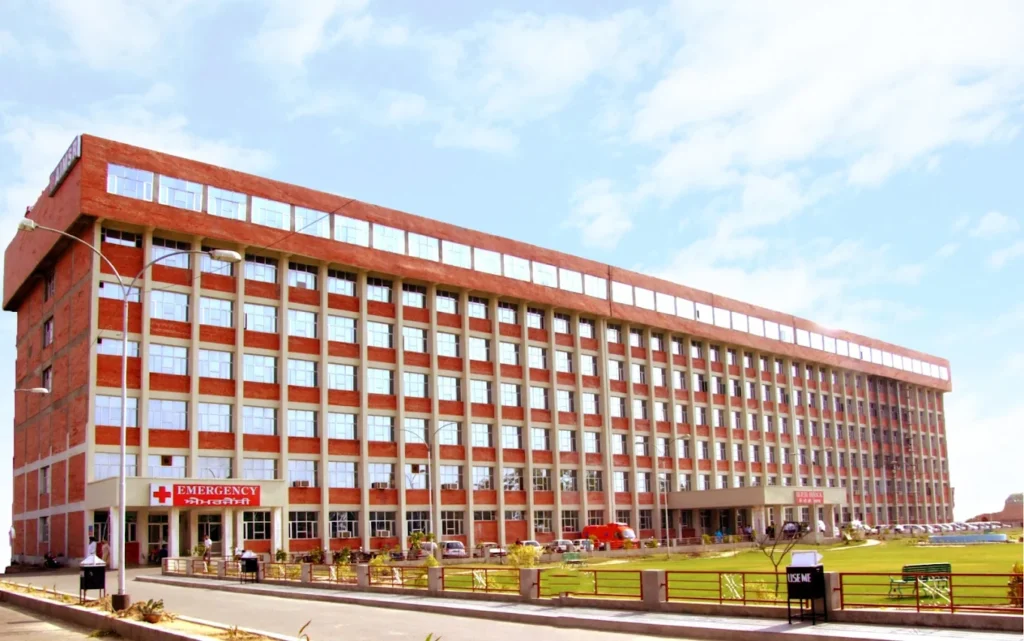
- Adesh Medical College Hospital Mohri Ambala Cantt
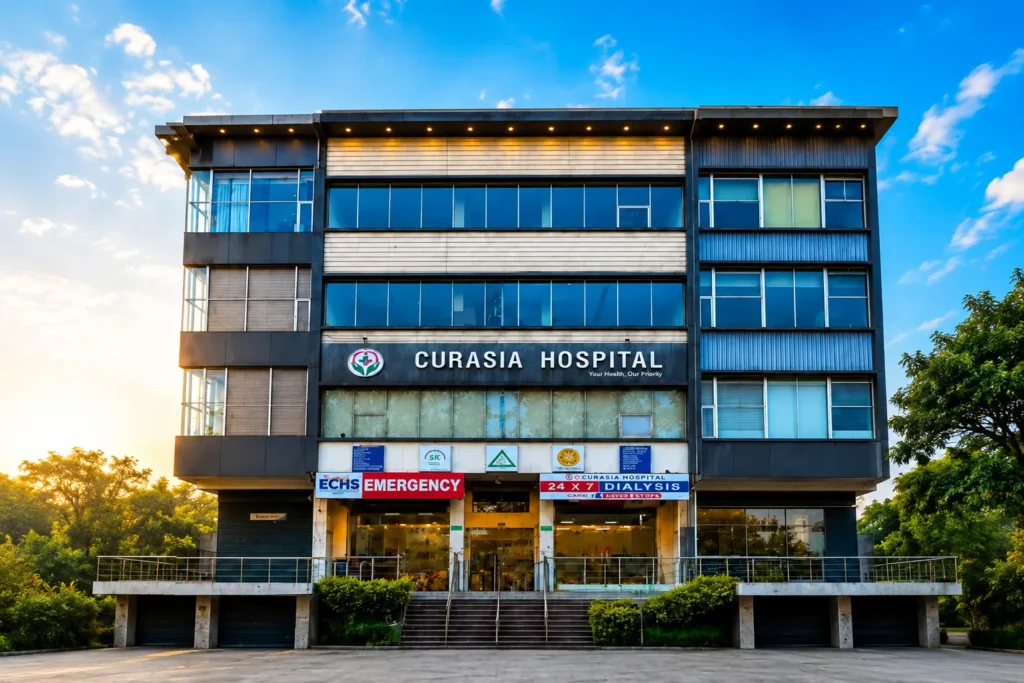
- Curasia Hospital – Dhakoli, SAS Nagar
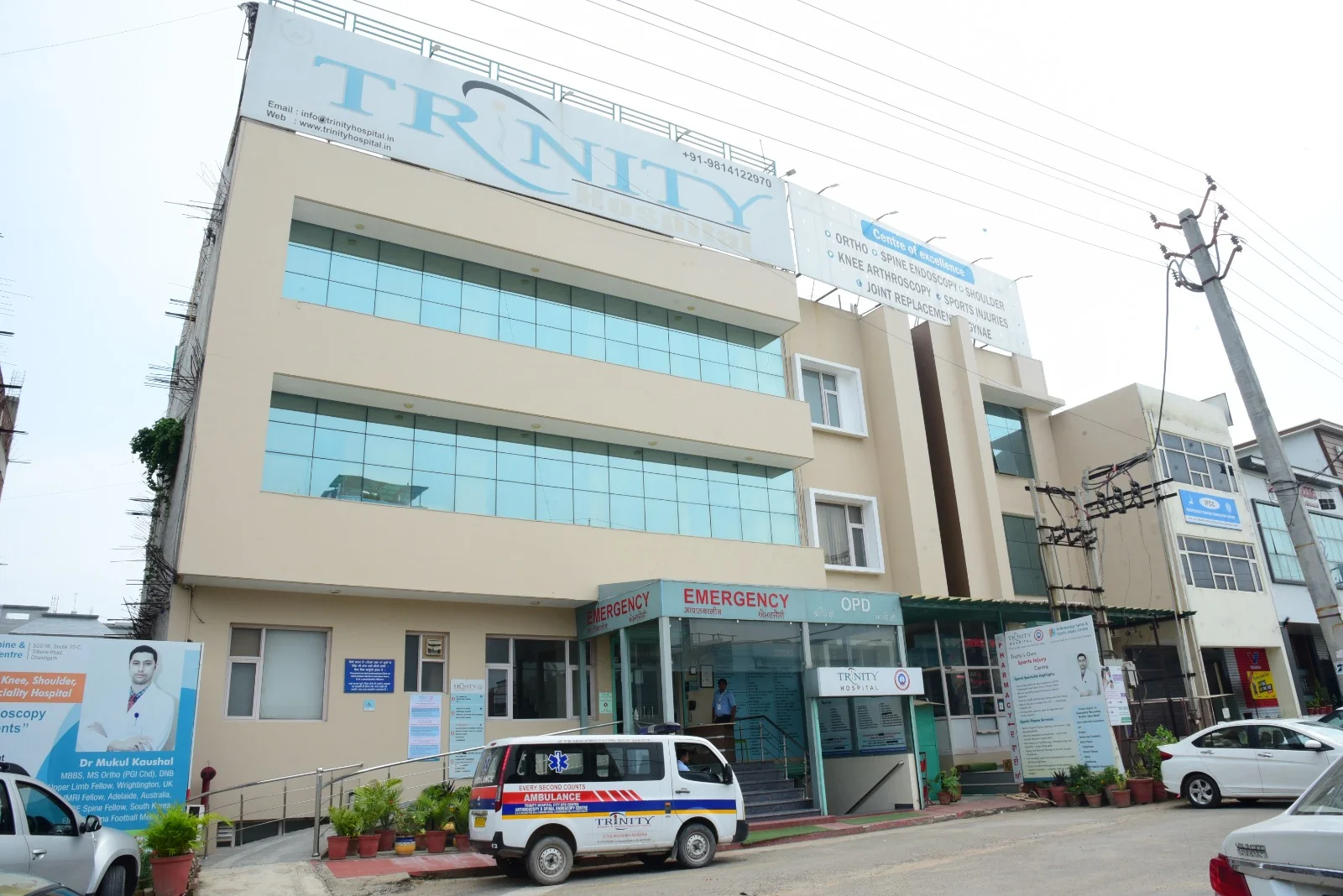
- Trinity Hospital – Zirakpur, Distt Mohali
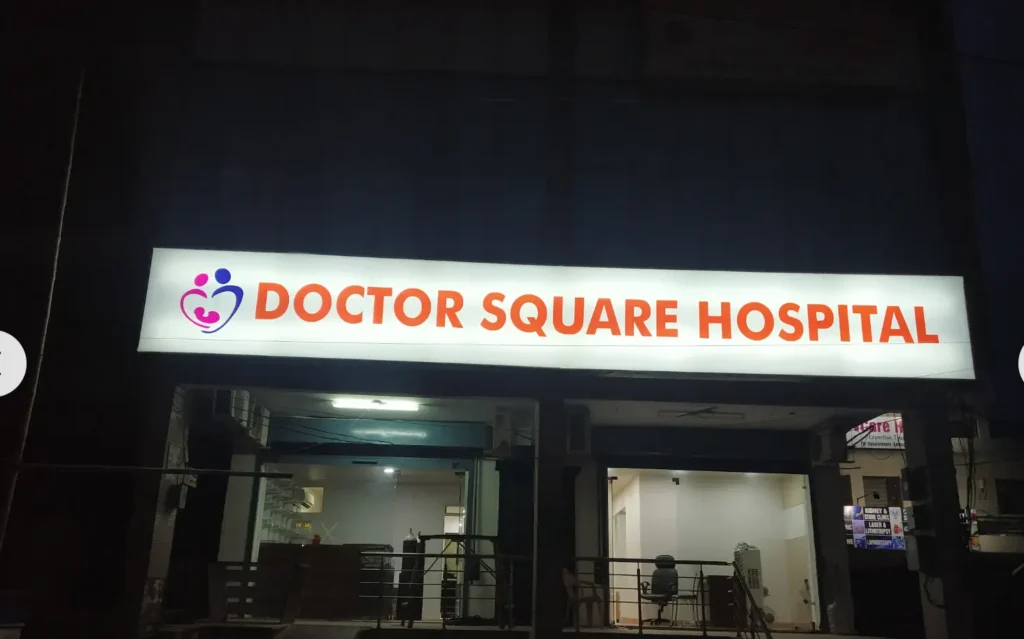
- Doctor Square Hospital – VIP Road, Zirakpur, Distt SAS Nagar, Mohali
- Testimonials
What our patients say about us
Patients from Ambala, Chandigarh, Mohali & Zirakpur in their own words.
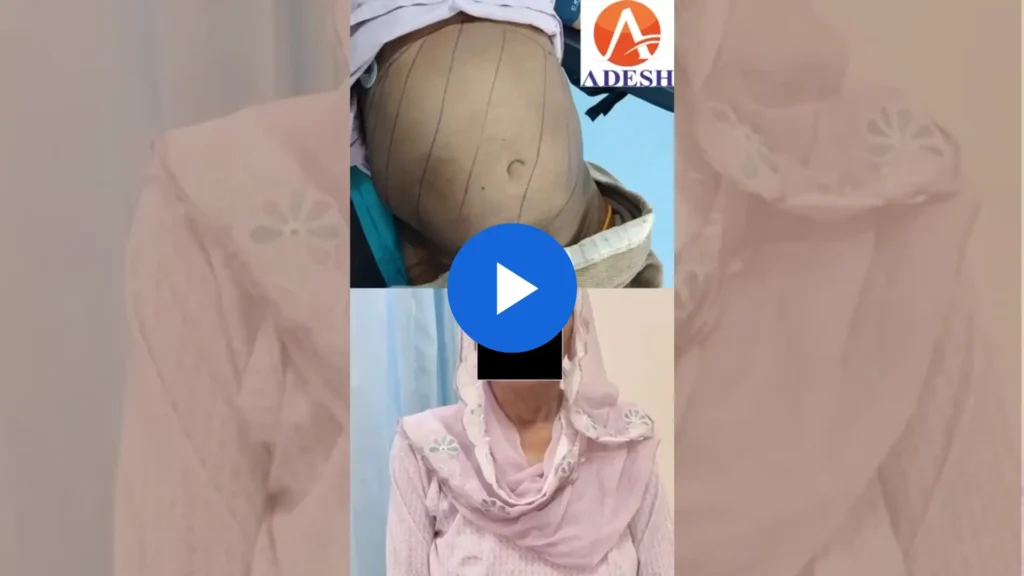
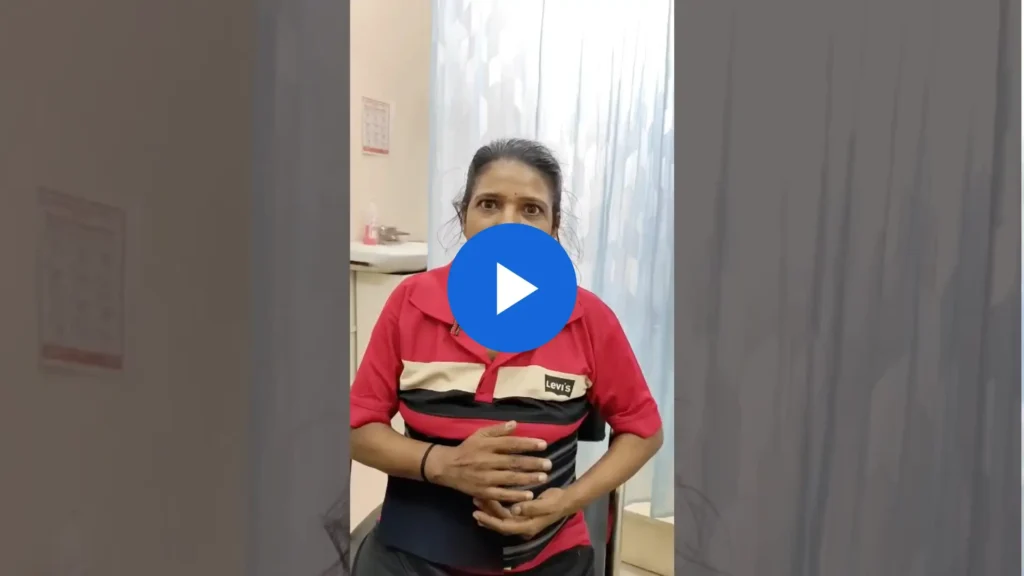
Posted on GoogleTrustindex verifies that the original source of the review is Google. Dr Ripudaman Singh is one of the best Laparoscopic surgeon in the shahbad markanda Adesh Hospital Ambala very humble and genuine with excellent clinical skills.he treat his patient with utmost care,explain in detail. I highly recommend him for any Harnia,Apendix surgery and related consultation. Warm full thanks Dr. Saab. Regards Bhupinder singhPosted on GoogleTrustindex verifies that the original source of the review is Google. I had my appendicitis surgery done by Dr. Ripudaman, and I am extremely grateful for the exceptional care I received. Within just 8 hours of the surgery, I was able to walk without any pain, which speaks volumes about his surgical expertise and precision. What impressed me most was not just the successful surgery, but also the post-surgery care and follow-ups. Dr. Ripudaman is very approachable and patient — he answers every single question with great detail and ensures you clearly understand the process and recovery steps. His calm demeanor and ability to explain everything in simple terms gave me complete confidence and peace of mind during recovery. Overall, I had a smooth and painless experience under his care, and I would highly recommend Dr. Ripudaman to anyone in need of surgical expertise. He truly combines skill with compassion, which makes all the difference.Posted on GoogleTrustindex verifies that the original source of the review is Google. Dr Ripu Daman sir being surgeon and onco surgeon postive result 100 percent result orientedPosted on GoogleTrustindex verifies that the original source of the review is Google. Dr Ripudaman Singh is one of the best Laparoscopic surgeon in the city,very humble and genuine with excellent clinical skills.he treat his patient with utmost care,explain in detail the procedure and keep the patient and their attendant informed. I highly recommend him for any surgery and related consultation.Posted on GoogleTrustindex verifies that the original source of the review is Google. Best surgeon in the cityPosted on GoogleTrustindex verifies that the original source of the review is Google. Great surgeon .....highly recommendedPosted on GoogleTrustindex verifies that the original source of the review is Google. Good experience!!Load more
Frequently asked questions
Yes, and the reason is mechanical rather than marketing. Conventional surgery cuts tissue away and leaves an open wound in an area rich in nerve endings, which is why it hurts for weeks. Laser treatment works through a fine fibre and does not leave that wound. Most patients describe soreness controlled with routine tablets rather than the severe pain associated with older operations.
Most patients return to desk work within two to five days. Physically demanding work, long hours of driving or prolonged sitting may need a little longer. Fistula and pilonidal procedures generally take slightly longer than piles or fissure treatment.
Many patients do not need surgery. Early grade piles and acute fissures frequently settle with fibre, fluids, medication, sitz baths and correcting constipation. Surgery becomes the answer when bleeding persists, when piles prolapse, when a fissure keeps returning, or in the case of a fistula, which does not close on its own. You should be told plainly which situation applies to you.
Most rectal bleeding is caused by piles or a fissure, but bleeding is also the main early sign of colorectal cancer, so it should be examined rather than assumed. This matters particularly over the age of 40, if the pattern has changed, or if there is weight loss, a change in bowel habit or a family history of bowel cancer. The examination takes minutes and usually provides reassurance.
This is the central concern in all fistula surgery, because the tract often passes through or near the sphincter muscle that controls continence. Laser closure seals the tract without dividing that muscle, which is precisely why it is used. Complex or branching fistulas need mapping with an MRI beforehand, and in some of those cases a combined or staged approach is safer than laser alone.
Recurrence is uncommon but not impossible with any technique. The strongest factor is what caused the problem in the first place. If chronic constipation and straining continue, the pressure that created the piles continues too. Fibre, fluids and toilet habits are part of the treatment rather than general advice.
Usually spinal or a short general anaesthetic, with the procedure taking around thirty to sixty minutes. Most patients are treated as day care and go home the same day. Some fistula and pilonidal cases may need an overnight stay.
There is usually some discomfort for the first few days. Stool softeners and a high-fibre diet are prescribed specifically so that motions stay soft, since hard stool is what causes pain and delays healing. Sitz baths help considerably. Do not stop the softeners early because you feel better.
No. A rapidly developing, hot, tender swelling near the anus with fever suggests an abscess, which needs to be drained promptly rather than treated with antibiotics alone. This should be seen the same day.
These are among the most common conditions treated in surgery, seen every single day, and there is nothing about your situation that is unusual or surprising to the team. The examination is brief, done privately and gently. The far more common regret is having waited years, not having come in.
No. Very advanced piles, complex or branching fistulas, and some recurrent cases can be better served by a conventional or combined approach. Any surgeon offering laser as the answer for every patient regardless of stage is selling a technique rather than choosing a treatment.
Address constipation and straining, which underlie most of these conditions. Adequate fibre and fluids, not delaying the urge, and not spending long periods sitting on the toilet with a phone. Regular activity helps. These sound minor and they are the difference between a lasting result and a repeat visit.
You have probably waited long enough
A consultation takes a few minutes, it is private, and in many cases the answer is treatment without surgery. Either way you will know what you are dealing with.